

Newfoundland and Labrador — The Rock
Capital: St. John's · Population: approximately 533,000 · Joined Confederation: 1949
Most Canadians who've been to Newfoundland will tell you it was one of the best trips of their lives. It's hard to explain until you've been there. Part of it is the landscape — treeless cliffs, icebergs drifting past in June, puffins on outer islands, whales so numerous they're almost monotonous. Part of it is the culture — a four-hundred-year-old English-Irish outport tradition that's still alive in the accent, the fiddle music, and the storytelling. And part of it is the scale: you can drive for three hours between towns with nothing in between but bog, rock and the Atlantic, and then arrive in a village where twenty people are dancing in the local bar to a fiddle tune that predates your country.
A Compact History
Newfoundland was home to the Beothuk people (who were tragically extinguished as a distinct people by the early 1800s) and the Mi'kmaq. The Norse settled briefly at L'Anse aux Meadows around 1000 CE — the first confirmed European settlement in North America, predating Columbus by 500 years. John Cabot claimed the island for England in 1497. Irish and West Country English fishermen and their families settled the coast from the 1500s onward, giving the island its distinctive accents.
Newfoundland was a separate British Dominion, not a Canadian province, for most of its history. It went broke during the Great Depression, reverted to direct British governance in 1934, and after a bitterly contested 1948 referendum, voted 52-48 to join Canada in 1949. The cod fishery sustained the economy for four centuries until the federal government imposed a moratorium in 1992. About 30,000 people lost their jobs overnight. The offshore oil industry, which started producing in 1997, is now the largest private employer.
St. John's
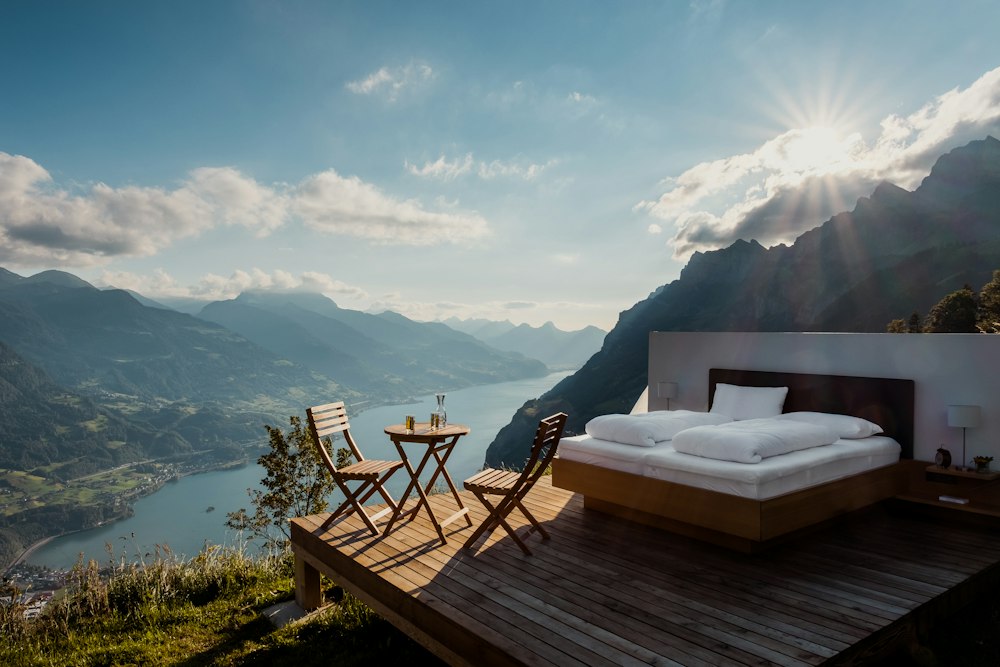
St. John's (not to be confused with Saint John, New Brunswick) is the provincial capital, the oldest continuously European-settled city in North America (some claim Spanish-Catholic St. Augustine is older, which is disputed), and a city of about 213,000 in the metropolitan area. It sits on the Atlantic coast of the Avalon Peninsula, built onto the steep hills around one of the most sheltered natural harbours in the world.
What should I see on a first visit?
Climb Signal Hill, the tall hill at the harbour mouth where Marconi received the first transatlantic radio signal in 1901. The view is spectacular and the walk down (via the North Head Trail, along the cliffs above the harbour) is one of the best short hikes in any Canadian city. Walk Water Street and Duckworth Street, the oldest commercial streets in the country, and Jellybean Row — the famously painted wooden rowhouses on Gower Street and Prescott Street. The Rooms is an ambitious combined art gallery, provincial museum and archives in a modernist building on top of the hill. Cape Spear, the easternmost point of North America, is a 20-minute drive out of town and worth it at sunrise.
What about George Street?
George Street is a two-block stretch of downtown St. John's that claims to have the most bars and pubs per square foot of anywhere in North America. It might be true. On a Friday night in summer it is something to see. If you're doing the "Screech-in" (the semi-official ceremony in which visitors become honorary Newfoundlanders by kissing a cod, drinking Newfoundland rum called Screech, and saying a phrase in dialect), this is the neighbourhood for it. It's touristy but a lot of the locals participate too.
Is St. John's expensive?
Less than Halifax. A one-bedroom downtown rents for CAD $1,300 to $1,700 in early 2026. Restaurants are reasonable. The HST is 15 percent, same as the other Atlantic provinces.
What's the weather like?
St. John's is the foggiest and one of the wettest cities in Canada — about 124 days of fog a year, 1,514 mm of precipitation. It's not as cold as the prairies; winters hover around -5°C with regular freeze-thaw cycles. Summers are cool (July average around 16°C). Bring layers no matter when you visit.
Most Popular Museum: The Rooms
The Rooms, opened in 2005 on a hill overlooking St. John's Harbour, is Newfoundland and Labrador's most significant cultural institution — combining the Provincial Museum, the Provincial Art Gallery, and the Provincial Archives under a single roof designed to evoke the tilted, stacked vernacular architecture of the outport fishing stage. The building alone is a statement: it says that Newfoundland's culture is worth this investment, worth this prominence on the hill above the oldest city in North America.
The natural history galleries cover the geology of the island in the context of plate tectonics — Newfoundland is a place where ancient oceans closed, where Africa once sat, where the rock record is exceptional. The cultural history galleries cover the Dorset Palaeo-Eskimo and Beothuk peoples, the first Europeans, the fishery, Confederation, and the offshore oil era in the most thorough and self-critical way of any provincial museum in Atlantic Canada. The art gallery's collection of Newfoundland artists — David Blackwood's haunting icescape etchings above all — and the archive's Confederation debates material are both worth dedicated time.
Your Best 5 Days in St. John's
St. John's is the most genuinely surprising city in Canada for first-time visitors. The combination of Jellybean Row (the brightly painted wooden houses stacked up Signal Hill), the oldest pub street in North America (George Street), a food scene that punches decades above its population, and an Atlantic light that photographers come specifically to capture — it adds up to something that doesn't fit any template for what a small Canadian city is supposed to be.
Signal Hill & The Rooms
Walk Signal Hill — the fortified headland above the narrows of St. John's Harbour where Marconi received the first transatlantic wireless signal in 1901. The views down the narrows and across Conception Bay are the best in the city. Descend via the North Head Trail to the Battery neighbourhood (the oldest continuously inhabited community in North America) for a late morning coffee at the tiny Battery Café. Afternoon at The Rooms. Dinner at Mallard Cottage in Quidi Vidi — the finest seasonal cooking in the province.
George Street & Water Street
Morning at the St. John's Farmers' Market on Stavanger Drive (Saturdays year-round). Walk Water Street — the commercial heart of the city, with some shops in buildings that date to the 18th century — and then Duckworth Street above it for independent bookstores, galleries, and the best lunch spot in the city (Rocket Bakery and Fresh Food on Freshwater Road, or Aqua Kitchen and Bar on Water Street). George Street in the evening: the most concentrated bar strip per square metre in North America.
Cape St. Mary's Ecological Reserve
Drive 2.5 hours south to Cape St. Mary's — the most accessible seabird colony in North America. A 1.5-km walk across an ancient grassy headland brings you to within arm's reach of 24,000 nesting Northern Gannets on the Bird Rock sea stack. The noise, the smell, and the scale of the gannet colony are staggering. The colony is active May through August. Return via Salmonier Nature Park, a free wildlife rehabilitation centre with moose, caribou, black bear, and lynx in natural enclosures.
Witless Bay Ecological Reserve
Take a whale-watching and seabird tour from Bay Bulls (35 minutes south of St. John's) into the Witless Bay Ecological Reserve — the largest Atlantic Puffin colony in North America, with over 260,000 nesting pairs on three islands, plus humpback whales that feed in the krill-rich bay from June to August. Afternoon: drive through Petty Harbour to Quidi Vidi Village, St. John's' oldest neighbourhood, for a tour of the Quidi Vidi Brewing Company and a late afternoon walk on the Quidi Vidi Lake trail.
East Coast Trail & Departure
The East Coast Trail runs 300 km along the Avalon Peninsula's sea cliffs — the most dramatic coastal hiking in Atlantic Canada. The Sugarloaf Path from Torbay to Flatrock (8 km, moderate) gives the sea-cliff experience with manageable logistics for a final morning. Return by noon for the drive to YYT (St. John's International Airport is 10 minutes from downtown). Fly out with seal flipper pie from Chinched Bistro in your checked baggage, if that's who you've become.
Gros Morne National Park
Gros Morne, on the west coast of the island, is a UNESCO World Heritage Site. It's the second-largest national park in Atlantic Canada and one of the most geologically important places on Earth — the Tablelands here are one of the few places where you can walk on exposed mantle rock, pushed to the surface by plate tectonics. The Gros Morne mountain itself is the second-highest peak in the province, a steep scramble that most hikers do in a hard day trip.
What should I prioritize?
The boat tour of Western Brook Pond — a freshwater fjord cut by glaciers into the cliffs — is the single most famous experience in the park. The hike to the Tablelands, where you stand on the Earth's mantle, is the second. The coastal villages of Woody Point and Norris Point are worth meals and a night. Allow three days in the park minimum; a week if you're a hiker.
How do I get there?
Fly to Deer Lake airport (direct from Halifax, Toronto, Montreal and a few other cities) and rent a car. It's a 6-hour drive from St. John's across the width of the island.
Most Popular Museum: Gros Morne Visitor Centre
The Gros Morne Visitor Centre in Rocky Harbour is the gateway to one of UNESCO's most geologically significant World Heritage Sites — a park that contains exposed mantle rock (the Tablelands, a section of ancient oceanic crust thrust to the surface during a continental collision 485 million years ago), glacially carved fjords (Western Brook Pond), and alpine tundra that sits at the same latitude as the Norwegian coast. The visitor centre's geology interpretation is unusually detailed and accurate — the story of plate tectonics as told through the exposed rock sequences of western Newfoundland is as legible here as anywhere on Earth.
Your Best 5 Days in Gros Morne
Gros Morne rewards hikers and geologists disproportionately, but the boat tour of Western Brook Pond, the drive through the Tablelands, and the Woody Point community alone justify any visit. Base yourself in Norris Point, Rocky Harbour, or Woody Point for the best access to the park's varied landscapes.
Tablelands & Woody Point
Drive south from Rocky Harbour to Trout River and approach the Tablelands from the Highway 431 side — the ochre-coloured peridotite plateau appears ahead of you like a landing site on another planet. Walk the Tablelands Trail (4 km return, flat) to understand what you're looking at: this is the ancient mantle of the Earth, ophiolite sequence lifted by tectonic forces 485 million years ago. Woody Point village has galleries, a writers' festival (July), and the Arches Provincial Park nearby with its sea-carved limestone arches.
Western Brook Pond Boat Tour
Book the Western Brook Pond boat tour in advance (it sells out in July and August). The 3-km walk across the coastal bogs to the landing brings you to a fjord that is technically a freshwater pond — isolated from the sea when the land rose after glaciation. The 165-m cliffs that line the fjord carry waterfalls in spring; the 660-m summit plateau above is the highest point in Newfoundland. The two-hour boat tour takes you to the closed end of the fjord and back.
Gros Morne Mountain
The Gros Morne Mountain Trail (16 km return, 800 m gain) is the park's signature hike — up through boreal forest to the plateau's arctic-alpine zone, where caribou graze and the 360-degree summit view takes in the Tablelands, the Long Range Mountains, the Gulf of St. Lawrence, and the bogs and ponds of the coastal plain. Allow eight hours. Bring rain gear; the plateau is in cloud roughly 40 percent of days.
Bonne Bay & Lobster Cove Head
Bonne Bay is a fjord-like arm of the Gulf of St. Lawrence that splits the park in two. The ferry crossing from Norris Point to Woody Point (10 minutes) saves a 30-km drive. The Bonne Bay Marine Station, operated by Memorial University, runs tours of their aquaculture research and the bay's marine ecology. Lobster Cove Head lighthouse is a 10-minute walk from Rocky Harbour; the interpretive displays on the maritime history of this coast are the park's best secondary interpretation.
Green Gardens Trail & Departure
The Green Gardens Trail (9 km loop) descends from the Tablelands plateau through tuckamore forest (the wind-sculpted, horizontally grown spruce and fir of the Newfoundland coast) to sea stacks, sea caves, and a headland above the Gulf where pilot whales are visible in summer. Drive north to Deer Lake for your flight out on the afternoon departure — or continue north to Port aux Basques and the ferry for a longer return via Nova Scotia.
L'Anse aux Meadows
At the very northern tip of the Great Northern Peninsula, L'Anse aux Meadows is the only confirmed Norse settlement in North America outside Greenland. Excavated in the 1960s, it's a UNESCO World Heritage Site and a Parks Canada historic site. The reconstructed sod-roof Viking buildings are on the original archaeological footprint. It is genuinely remote (a 5-hour drive from Gros Morne) but for anyone interested in pre-Columbian North America it's the real thing.
Most Popular Museum: L'Anse aux Meadows NHS Visitor Centre
The Parks Canada visitor centre at L'Anse aux Meadows National Historic Site is the interpretive anchor for the only authenticated Norse settlement in North America — a site so significant that its 1978 UNESCO World Heritage designation was among the first in Canada. The centre's permanent exhibition covers the Norse expansion across the North Atlantic (Iceland, Greenland, Vinland), the archaeological discoveries of Helge and Anne Stine Ingstad in 1960–61 that confirmed the site's authenticity, and the dendrochronology, artifact analysis, and oral tradition that date the settlement to around 1000 CE, 500 years before Columbus. The three reconstructed Norse buildings behind the centre allow visitors to enter turf longhouses and understand the scale and organization of a Norse winter camp at the edge of the known world.
Your Best 5 Days on the Northern Peninsula
The Great Northern Peninsula of Newfoundland is one of the least-visited and most distinctive landscapes in eastern Canada — bog, barrens, sea ice in early summer, icebergs from May to July, and a history that runs from the Maritime Archaic peoples of 5,000 years ago to Norse explorers to the French Shore fishery. Rent a car; distances are real and the peninsula rewards those who linger.
Deer Lake to Port aux Choix
Fly into Deer Lake and drive north on Highway 430 (the Viking Trail). Stop at Gros Morne if passing through. Port aux Choix National Historic Site, halfway up the peninsula, preserves 5,000 years of Maritime Archaic, Groswater Palaeo-Eskimo, and Dorset Palaeo-Eskimo habitation — some of the oldest burial sites in the Americas, interpreted in a visitor centre that connects the deep past of the peninsula to its living Indigenous communities.
L'Anse aux Meadows
A full day at L'Anse aux Meadows. Morning at the visitor centre; midday walk to the three reconstructed Norse buildings and the original excavated mounds. The bog iron and carpentry debris found in the original excavations confirmed the Norse presence as definitively as any archaeological find in the hemisphere. Norstead, a private Norse heritage village adjacent to the national site, offers additional reconstructed Viking-age structures and a replica knarr (cargo ship) that can be visited.
Iceberg Alley
Drive the coastline from St. Anthony north toward St. Lunaire-Griquet in late May or June for icebergs calved from Greenland glaciers that ground in the shallow coastal water. The icebergs that make it this far south are often cathedral-scale — some exceed a small building in height. Boat tours from St. Anthony Harbour bring you to within a safe distance. In early season, pack ice can still be visible from the headlands.
The Labrador Straits
Take the ferry from St. Barbe to Blanc-Sablon, Quebec (1 hour 20 min) and drive the Trans-Labrador Highway east to Red Bay National Historic Site — the best-preserved 16th-century Basque whaling station in the world, with the partially preserved chalupa (whaling boat) on display and the remains of try-works (blubber rendering furnaces) visible on the shore. The San Juan, a Basque galleon that sank in 1565, is one of the best-documented underwater archaeological sites in North America.
Pistolet Bay & Return
Pistolet Bay Provincial Park at the very tip of the Northern Peninsula has beaches of quartzite sand, moose and caribou in the barrens, and a coastal trail to Green Bay that passes through a landscape that genuinely has no parallel in southern Canada. Drive back to Deer Lake via the Viking Trail — the barrens, the ponds, and the distant icebergs off the coast look different on the return, which is how the best landscapes work. Evening flight south.
Corner Brook
Corner Brook, population about 19,000, is Newfoundland's second city and the main service centre on the west coast. Marble Mountain Resort, just outside town, is the largest ski resort in Atlantic Canada — 1,400 feet of vertical, reliable winters, and a spectacular view over the Humber Arm. Worth a day if you're passing through in winter.
Most Popular Museum: Corner Brook Museum & Archives
The Corner Brook Museum and Archives on East Street documents the history of western Newfoundland's largest city — from the Mi'kmaq and Beothuk presence on the Humber Arm to the arrival of John Cabot in 1497 (a disputed landfall that Corner Brook claims as vigorously as any coastal community in the island), through the rise of the pulp and paper industry that built the city in the 1920s and the Bowater/Kruger mill that still defines its industrial economy. The museum's collection of mill photographs — the workers, the machinery, the company-town architecture of the early 20th century — is the best documentation of the Newfoundland industrial experience outside St. John's.
Your Best 5 Days in Corner Brook
Corner Brook sits at the head of the Bay of Islands in western Newfoundland, surrounded by mountains and the Humber River valley — the best salmon river in the island. The city is Gros Morne's western gateway, the ski hill at Marble Mountain is the best east of Quebec, and the Humber Valley wine and adventure corridor is Newfoundland's most concentrated outdoor experience.
Corner Brook City Park & Museum
Walk Corner Brook's Blow-Me-Down Mountains trail system — the city park above the waterfall gives views over the Bay of Islands that explain why this particular harbour was chosen for a pulp mill. Morning at the museum; afternoon on the Captain James Cook National Historic Site on Crow Hill, where Cook surveyed the Bay of Islands in 1767.
Marble Mountain
In winter (December–April), Marble Mountain ski resort on the Humber River is the largest ski hill in Atlantic Canada — 1,700 feet of vertical, 39 trails, and a natural snowfall that averages 500 cm per year. In summer, the mountain has zipline and trail hiking. The Humber River valley below is premier Atlantic salmon territory; guided fly-fishing trips can be booked through the Marble Mountain resort or independent outfitters.
Bay of Islands Drive
Drive the south shore of the Bay of Islands on Highway 450 through Lark Harbour and the Blow-Me-Down Provincial Park — the ultramafic (mantle) rocks of the Tablelands appear again here in a different and less touristed setting. The beach at Bottle Cove has blue-green water of implausible clarity for this latitude. Return via Highway 440 on the north shore of the bay through Cox's Cove and Meadows.
Stephenville & Port au Port Peninsula
Drive south to Stephenville, the largest town on Newfoundland's west coast. The Stephenville Theatre Festival (July–August) is the best summer theatre in Atlantic Canada. The Port au Port Peninsula is the only French-speaking community on the island of Newfoundland — the descendants of Acadian and French fishers who settled the western coast centuries ago and maintained their dialect long after the rest of Atlantic Canada anglicized.
Deer Lake & Departure
Drive east on the Trans-Canada through the Humber Valley — the salmon river visible from the highway guardrail in summer. Deer Lake is 50 km from Corner Brook; the airport offers direct flights to Halifax, St. John's, and Toronto. Stop at the Humber Valley visitor information centre for a last look at the Marble Mountain massif before leaving western Newfoundland.
Labrador

Labrador, the mainland portion of the province, is three times the size of Newfoundland but has less than a tenth of the population (about 27,000 people). It's connected to Quebec by road (the Trans-Labrador Highway) and to Newfoundland by ferry from St. Barbe to Blanc Sablon. Most visitors will fly in, either to Happy Valley-Goose Bay or to Churchill Falls. The landscape is boreal forest, tundra, and some of the most intact wilderness in North America. Torngat Mountains National Park at the northern tip is only reachable by charter flight or by sea; few visitors go but those who do generally rank it among the great wilderness experiences of their lives.
Most Popular Museum: Labrador Interpretation Centre
The Labrador Interpretation Centre in Happy Valley-Goose Bay is the primary cultural institution for the mainland portion of the province, covering the history and ecology of a landmass larger than Germany that most Canadians couldn't find on a map. The centre's exhibitions address the Innu and Inuit peoples of Labrador — their migration routes, their spiritual traditions, their relationship with the land — alongside the European fishery, the Moravian mission stations on the Labrador coast, the Churchill Falls hydroelectric project, and the Voisey's Bay nickel mine that has transformed the upper Labrador coast.
In Labrador City, the Labrador Discovery Centre at the Labrador Institute covers the iron ore industry of the Labrador Trough in the context of the boreal and subarctic ecosystems of central Labrador. For the history of the 5 Wing Goose Bay air base and the NATO connections, the Labrador Military Museum in Happy Valley-Goose Bay documents the extraordinary role this remote post played in Cold War continental air defence.
Your Best 5 Days in Labrador
Labrador is not for everyone, and it knows it. There are no paved highways connecting Labrador City to Happy Valley-Goose Bay; the distance between the two main communities requires a flight or a winter ice road. But for travellers who want wilderness, Indigenous culture, and the feeling of being somewhere genuinely remote, Labrador is among the most rewarding destinations in Canada.
Happy Valley-Goose Bay
Fly into Goose Bay. Visit the Labrador Interpretation Centre and the Northwest River Heritage Site — the old Hudson's Bay Company post at the head of Lake Melville, where Innu and settlers traded for centuries. Evening on the Hamilton River waterfront.
Mealy Mountains & Lake Melville
Mealy Mountains National Park, established in 2015, is one of Canada's newest national parks and one of its emptiest — 10,700 km² of boreal forest, mountain tundra, and Atlantic-facing fjords without a single road inside the park boundary. Day-use access is by floatplane or boat from Goose Bay. The park's caribou herds and black bear population are the draw; the landscape is purely subarctic wilderness.
Labrador City & Iron Ore Country
Fly to Labrador City (50 minutes). The IOC open-pit iron ore mine — one of the largest in the world — is visible from the highway as a series of terraced red walls descending into the Labrador Trough. Tours are available seasonally. The Menihek Nordic Ski Club runs cross-country trails through boreal forest year-round that are among the best groomed in Atlantic Canada.
Churchill Falls
Drive or fly to Churchill Falls — the underground powerhouse that generates 5,428 megawatts from a river that drops 75 metres into a turbine cavern a kilometre underground. The Churchill Falls guided tour takes visitors into the powerhouse cavern — an underground cathedral of concrete and roaring water — on one of the most unusual infrastructure tours in Canada. The contract with Hydro-Québec that gave away its energy value is explained, diplomatically, by the local staff.
Torngat Mountains National Park
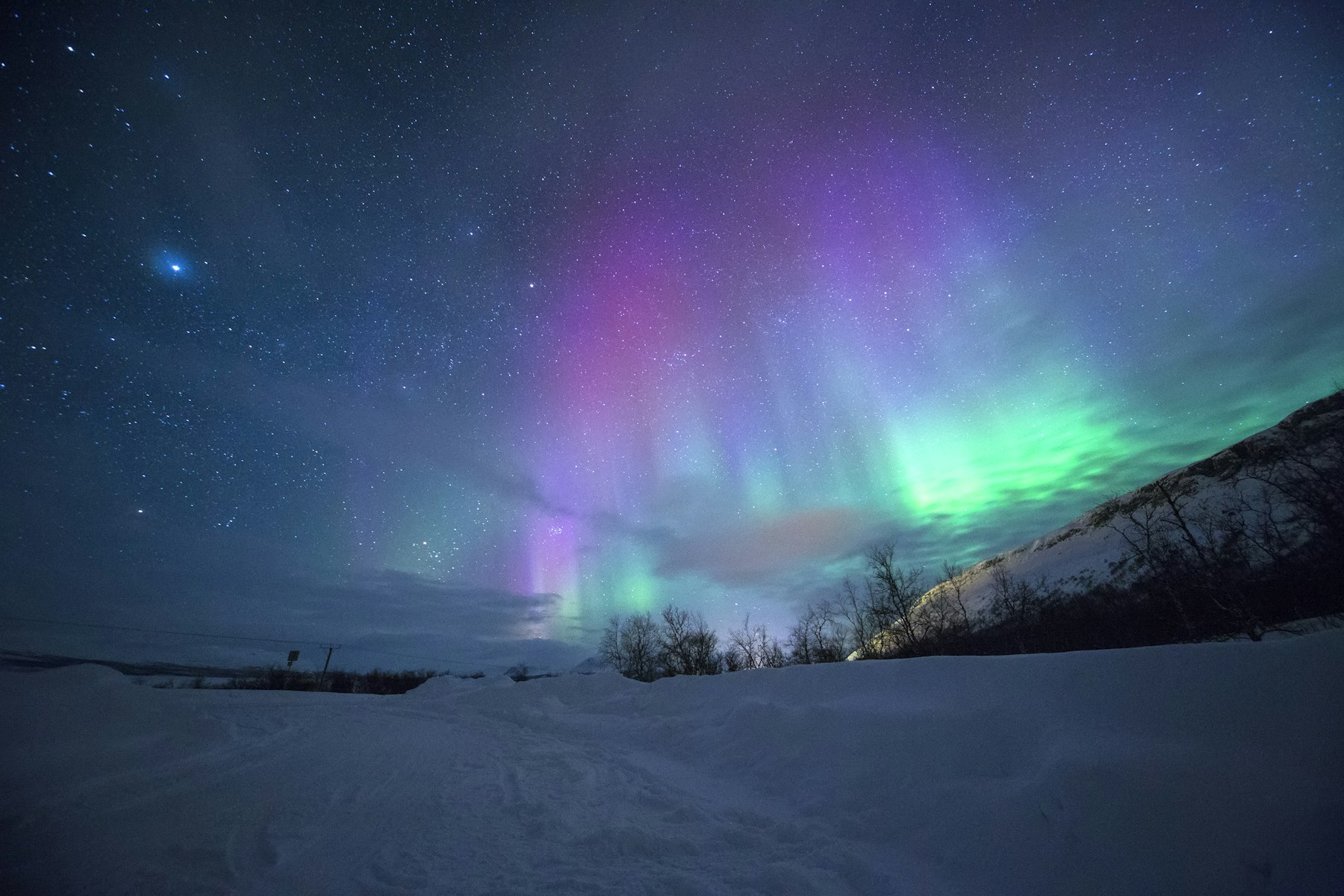
Torngat Mountains National Park in northern Labrador is accessible only by charter flight from Goose Bay or St. Anthony. The granite fjords, the polar bears, the Inuit heritage sites on Ramah Bay, and the aurora borealis above the treeline make it Canada's most remote and most spectacular national park. Day-trippers can reach the base camp at Saglek Fjord on day-use charters. Return to Goose Bay for the evening flight south.
Newfoundland and Labrador FAQs
When can I see icebergs?
Late May through early July is peak season. Icebergs drift south down the "Iceberg Alley" along the east coast after calving from Greenland glaciers. Twillingate, Bonavista, and the Avalon Peninsula all offer iceberg viewing. Newfoundland's iceberg finder website (run by the provincial tourism office) tracks real-time sightings.
What's the time zone?
Newfoundland Standard Time is UTC-3:30 — a half-hour offset from Atlantic Time, 90 minutes ahead of Eastern. Labrador mainland (except for Lab West) is on Atlantic Time. This half-hour offset is almost unique in the world and trips up every first-time visitor.
Can I understand the accent?
In St. John's and tourist areas, yes. In the outports, not always on first listen. The dialect has preserved words and grammatical structures from 17th-century West Country English and Irish. The locals will slow down if they see you're struggling. Pick up a copy of the "Dictionary of Newfoundland English" for the full experience.
Is the island safe for solo travel?
Yes, almost remarkably so. Crime rates are among the lowest in Canada. The biggest practical risks are moose on highways at dusk (the island has about 120,000 moose and a few hundred collisions a year) and weather changing quickly.
How do I get there?
Fly into St. John's (direct flights from most major Canadian cities and from London Heathrow seasonally) or Deer Lake. The ferry from Nova Scotia (North Sydney to Port aux Basques) takes 7 hours; it's more economical if you're bringing a car.
Education & Post-Secondary Institutions
Newfoundland and Labrador's post-secondary landscape is anchored by Memorial University, one of Canada's most affordable universities, alongside a strong college system and marine-focused training institutions befitting a province built on the ocean.
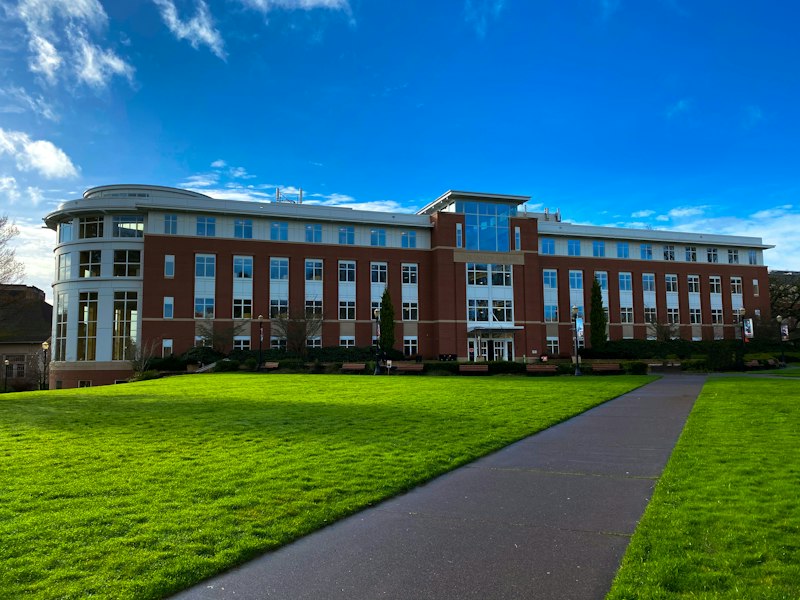
Memorial University of Newfoundland (MUN)
Named in memory of Newfoundlanders lost in the First World War, MUN is the province's flagship research university. Renowned for ocean sciences and offshore engineering (the Ocean Sciences Centre is world-class), folklore studies, medicine, and business. MUN charges the lowest tuition fees of any major Canadian university — a deliberate policy to keep higher education accessible in a province with significant rural poverty.
College of the North Atlantic (CNA)
The province's public college system, with 17 campuses serving communities from Labrador City to St. Anthony. Known for trades, technology, health sciences, and business programs that support the province's resource, fisheries, and healthcare industries. CNA also operates an international campus in Qatar.
Marine Institute (MI)
A campus of Memorial University and one of the world's leading institutions for marine, offshore, and fisheries training. The MI houses a full-scale marine simulation centre, an aquaculture research facility, and programs in nautical science, ocean instrumentation, and petroleum engineering — reflecting Newfoundland's deep connections to the sea and offshore oil.
Grenfell Campus – Memorial University
Memorial's western campus serves students from western Newfoundland and Labrador. Known for environmental science, fine arts, and social work programs. The corner Brook setting in the Bay of Islands provides a distinctive environment for environmental and outdoor studies.

Sports Teams & Athletic Culture
Newfoundland is a hockey province, full stop. The Growlers' ECHL success gave St. John's professional hockey again after years without it, and the St. John's Regatta is the oldest continuously held sporting event in North America.
 GRWLRS
Newfoundland Growlers
The Growlers have been one of the ECHL's great success stories, winning the Kelly Cup in their first season. Mary Brown's Centre is consistently sold out and the fan culture — loud, warm, genuinely funny — perfectly reflects the character of St. John's.
 REGATT
Royal St. John's Regatta
The oldest continuously held sporting event in North America, dating to 1826. Held on Quidi Vidi Lake on the first Wednesday of August, it is a city-wide holiday. Government offices, most businesses and Memorial University all close for Regatta Day.
 MUN
MUN
Memorial Sea-Hawks
MUN's athletic program competes in the AUS conference with particular pride in its soccer program, which regularly qualifies for the national championship. Rugby is played at the club level with intensity.
Culture, Arts & Identity
Newfoundland's culture is perhaps the most distinct of any Canadian province — geographically isolated, historically separate (it joined Confederation only in 1949), and possessed of a dialect, a music tradition and a sense of humour that are genuinely its own. The province joined Canada late and has never entirely stopped noticing the difference.
Language and Humour
Newfoundland English is not a degraded form of standard Canadian English — it is a separate dialect with roots in West Country English and southern Irish, preserved in isolation for three centuries. The vocabulary is different (a scrunchion is a fried pork rind; to be mauzy is to feel listless on a damp day), the prosody is different, and the speed and indirection of Newfoundland wit is something you have to earn. The province produces a disproportionate share of Canada's comedians and storytellers.
Music
The kitchen party — an informal gathering around a stove or kitchen table where someone inevitably picks up an instrument and someone else starts to step-dance — is not a tourist performance in Newfoundland. It's how music happens. The Great Big Sea brought Newfoundland folk-rock to national attention in the 1990s. The traditional music — reels and jigs on fiddle and accordion, ballads that go back to pre-Famine Ireland — is still played in pubs along George Street in St. John's on any given Thursday night.
The Fishery and Its Loss
The 1992 cod moratorium — the federal government's shutdown of the northern cod fishery after five centuries of exploitation had collapsed the stock — was one of the most traumatic economic events in Canadian provincial history. Thirty thousand people lost their livelihoods overnight. The moratorium's legacy shapes politics and community in outport Newfoundland to this day. The fishery has partially recovered for other species (crab, shrimp) but the cod have not returned in numbers that would allow a reopened fishery.
L'Anse aux Meadows
At the very northern tip of Newfoundland, the UNESCO World Heritage Site of L'Anse aux Meadows preserves the remains of a Norse settlement from around 1000 CE — the oldest confirmed European presence in the Americas, five hundred years before Columbus. The reconstructed longhouses and sod buildings are a quiet and moving place, especially in the fog that rolls in off the Labrador Sea in summer.
Newfoundland and Labrador's Hall of Icons
Newfoundland and Labrador, smallest English-speaking province by population, has produced a remarkable share of Canadian writers, comedians, musicians and broadcasters — a function of geography, culture and the long winter nights that have always favoured a good story.
Wayne Johnston
The novelist of modern Newfoundland. The Colony of Unrequited Dreams reframed the figure of Joey Smallwood for a generation; Baltimore's Mansion and The Custodian of Paradise remain among the finest Canadian novels of the past thirty years.
Joey Smallwood
"The Last Father of Confederation." The radio journalist who almost single-handedly led Newfoundland into Canada in 1949 and then governed the province for twenty-three years. Larger than life, deeply controversial, impossible to ignore.
Great Big Sea
Alan Doyle, Bob Hallett, Séan McCann and Darrell Power took Newfoundland folk-rock to platinum sales across Canada in the 1990s and 2000s. Their George Street pub gigs are the stuff of local legend; the band reformed for an annual hometown show.
Mary Walsh & Cathy Jones
Two of the four founding members of This Hour Has 22 Minutes, CBC's longest-running political-satire show. Walsh's "Marg, Princess Warrior" character is an indelible piece of Canadian comedic vocabulary.
E. Annie Proulx
The Pulitzer Prize–winning author of The Shipping News, the novel that arguably did more for outport Newfoundland tourism than any government campaign. Proulx lived in the province while researching the book and remains an honorary daughter.
Brad Gushue
Olympic gold medallist (2006 Turin) and three-time Brier winner. Gushue's curling rink is the most successful in Newfoundland's sporting history, and the gold-medal moment in Turin remains one of the most-watched broadcasts in the province's history.
Gordon Pinsent
The dean of Canadian acting. The Rowdyman, Away from Her, and decades of CBC drama. Pinsent wrote, directed and starred in films that were unmistakably Newfoundland in voice and humour.
Rick Hillier
The plain-spoken Newfoundlander who became Canada's most consequential post-Cold War Chief of the Defence Staff. Hillier oversaw the Afghanistan deployment and reshaped how Canadians think about the military.
Ron Hynes
"The Man of a Thousand Songs." Hynes wrote "Sonny's Dream," one of the most-covered Canadian folk songs in history, and remained the songwriting conscience of the province until his death.
Regional Cuisine: What Newfoundland and Labrador Actually Eats
Newfoundland's food culture is the most distinct in Canada — a working-class fishing and outport tradition that survived the cod moratorium and is being revived by a new generation of chefs in St. John's. The province eats what the sea and the land provide, and what it provides is unlike anywhere else in the country.
Jiggs' Dinner
The traditional Sunday boiled dinner: salt beef, cabbage, turnip, potato, carrot, with split-pea pudding cooked in a cloth bag in the same pot. Pot likker poured over everything. A working-class meal that has become a homesick exile's email order from anywhere in the world.
Cod Tongues
Fried with scrunchions (small bits of crisp salt pork). Despite the name, more like a delicate cheek of meat. Order them at Mallard Cottage in Quidi Vidi, the village inside St. John's. Or anywhere out around the bay where you trust the kitchen.
Touton
Bread dough fried in pork fat, served with butter and molasses (or with bakeapple jam if you can find it). Universal Newfoundland breakfast in homes that still cook one. The Hungry Heart Cafe in St. John's has become the go-to public version.
Bakeapples (Cloudberries)
The amber-orange tundra berry that grows in the bogs of the Northern Peninsula and Labrador. Made into jam, eaten on toutons, baked into pies. Locally foraged, never cheap, beloved.
Fish & Brewis
Salt cod and hard tack (a baked-and-dried bread) soaked overnight, then cooked together with onions and salt-pork scrunchions. A historic outport breakfast that still appears on Saturday-morning menus from Twillingate to Bonavista.
Moose Stew & Wild Game
The province has the highest moose density in North America. Most rural Newfoundlanders have a freezer with a moose roast or two in it. Moose stew with root vegetables and a stout dumpling is winter food at its best; ask if your hosts have a bottle of Quidi Vidi Iceberg Beer to go with it.
Whose Land Are You On?
Newfoundland and Labrador is the homeland of multiple Indigenous peoples — the Mi'kmaq of the south coast, the Innu and Inuit of Labrador, and the Beothuk, the original inhabitants of the island of Newfoundland whose population was destroyed during the colonial period.
The Beothuk
The Beothuk were the original inhabitants of the island of Newfoundland. Conflict with European fishermen, displacement from coastal resources, and disease ended their existence as a distinct people in the early 19th century. Demasduit and Shanawdithit are the most-documented individuals; their stories are told at The Rooms provincial archive in St. John's. The Beothuk Interpretation Centre at Boyd's Cove is a more intimate visit.
The Mi'kmaq of Newfoundland
The Mi'kmaq presence on the south and west coasts of the island predates European contact, despite earlier (now-discredited) claims to the contrary. The Qalipu First Nation, federally recognized in 2011, has more than 20,000 members across the province. Conne River (Miawpukek) is the largest reserve in the province.
The Innu and Inuit of Labrador
Labrador is the homeland of the Innu (formerly called Naskapi-Montagnais) and the Labrador Inuit. The Innu Nation has communities at Sheshatshiu and Natuashish; the Nunatsiavut Inuit settlement region, established by a 2005 land claim, covers the northern Labrador coast and includes the communities of Nain, Hopedale, Makkovik, Postville and Rigolet — Canada's first regional Inuit self-government.
The NunatuKavut Community
The southern coast of Labrador is the homeland of the NunatuKavut, a community of Inuit-Métis descent whose land claim is in active negotiation. The town of Cartwright is the unofficial capital.
Your Best 5-Day Stay in Newfoundland and Labrador
Newfoundland is bigger than people imagine — it would take a month to do it justice. Five days will give you St. John's and the Avalon Peninsula, a slice of Bonavista country, and one of the great national parks. Labrador is for another trip.
St. John's — Signal Hill, Quidi Vidi, George Street
Fly into YYT (the wind on landing is part of the experience). Drive up Signal Hill — Cabot Tower, the harbour view, the spot where Marconi received the first transatlantic radio signal in 1901. Lunch in Quidi Vidi at Mallard Cottage for cod tongues and toutons.
Afternoon: walk Water Street, Duckworth Street and the Jellybean Row houses. Dinner at Raymonds (the most ambitious restaurant in the province, expensive, worth it) or at Magnum and Steins on Duckworth. Late drinks on George Street — the highest concentration of pubs per square metre in Canada, by some measures.
Cape Spear and the Avalon
Drive 20 minutes to Cape Spear — the easternmost point in North America, with a working lighthouse and a coastline that has its own weather. Watch for whales, especially in June and early July when humpbacks come into the inshore.
Afternoon: drive south to Witless Bay and take an Iceberg Quest or O'Brien's boat tour to see puffins (the largest puffin colony in North America is offshore here) and, in iceberg season, an actual iceberg. Dinner back in St. John's at Adelaide Oyster House.
Drive to Bonavista — Cabot, Cliffs, Cake
Drive 3½ hours northwest to Bonavista, where John Cabot's "discovery" of the New World is commemorated (the Italians of St. John's like to point out the dates). Walk the cliffs at Dungeon Provincial Park, see the puffins at Elliston, and visit the Ryan Premises National Historic Site for the cod-fishery history.
Sleep at a restored saltbox house in Trinity (Fishers' Loft Inn is the standard) or Bonavista. Dinner at the Boreal Diner.
Gros Morne — The Long Drive Pays Off
Drive 6 hours west to Gros Morne National Park. It's a long day but the Trans-Canada is scenic and the destination is one of the great national parks in the system — UNESCO World Heritage, with a tablelands of mantle rock that has been pushed up out of the Earth's interior, and a fjord (Western Brook Pond) that is one of the most-photographed natural sights in eastern Canada.
Sleep in Rocky Harbour. Dinner at Earle's Family Restaurant for the no-fuss Newfoundland version of fish and chips.
Western Brook Pond and Tablelands
Hike the Western Brook Pond Trail (3 km each way) to the boat dock; take the two-hour fjord cruise (book ahead). The cliffs rise 600 metres straight out of the water. Lunch at the Black Spruce Restaurant.
Afternoon: drive the Tablelands trail, the most peculiar landscape in eastern North America — orange-brown serpentine rock that supports almost no plant life. End the day with a fly out of Deer Lake (YDF) back to St. John's or onward.
Five Days in St. John's
St. John's is the oldest city in North America by some readings of the record, the easternmost on the continent without question, and one of the most concentrated dose of Atlantic-Canadian character anywhere. Five days here covers the painted row-houses on Jellybean Row, the Signal Hill skyline, the seabird colonies and whale grounds an hour's drive in any direction, and enough Quidi Vidi pints and George Street late nights to justify the morning after. Stay downtown; rent a car for Days 3, 4 and 5.
Downtown, the Narrows & Water Street
Drop your bags at the JAG Hotel or one of the heritage B&Bs on Gower Street, then walk the steep streets down to the harbour. Water Street, the oldest commercial street in North America, runs the length of the working port; pop into Living Planet for the saltwater-marine print T-shirts and into the Newfoundland Chocolate Company for the partridgeberry truffles. Lunch at Mallard Cottage out in Quidi Vidi or, if you want to stay downtown, Mussels on the Corner.
Afternoon: walk the harbour around to Pier 17, then up Battery Road past the painted houses clinging to the cliff. Dinner at Raymonds, on Water Street — chef Jeremy Charles's cooking made St. John's a serious food destination. End the night, like everyone does at least once, on George Street: O'Reilly's for trad music or the Yellowbelly Brewery for the house-brewed amber.
Signal Hill, Cabot Tower & The Rooms
Walk up Signal Hill in the morning before the cruise-ship crowds (the path from the bottom of Long's Hill is steep but manageable). Cabot Tower, where Marconi received the first transatlantic wireless signal in 1901, is the obvious photo. The North Head trail, which descends along the Atlantic cliff to the Narrows, is the better hike — 1.7 km one way, gulls and gannets the whole way down.
Lunch at the Yellow Belly Brewery's Public House. Spend the afternoon at The Rooms, the modern provincial museum and archive on the hilltop above Bonaventure Avenue. The galleries on the cod fishery and the regiment that fought at Beaumont-Hamel are the must-sees. Dinner at The Reluctant Chef on Water Street.
Cape Spear, Petty Harbour & Quidi Vidi
Drive 20 minutes south to Cape Spear, the easternmost point in North America. The lighthouse, the boardwalk and the WWII gun emplacements take a full morning, and humpback whales feed offshore reliably in late June and July. Stop in Petty Harbour on the way back for fish and chips at Chafe's Landing — the cod is hauled off boats fifty metres from your table.
Afternoon in Quidi Vidi, the village-within-a-city tucked into a cove east of downtown. The Quidi Vidi Brewery's iceberg beer is the gimmick that's actually delicious; the artisan studios in the Plantation are a quiet showcase of local makers. Walk back into town along Cuckhold's Cove Trail. Dinner at Adelaide Oyster House on Adelaide Street.
Bay Bulls, Witless Bay & the Puffin Colony
Drive an hour south down the Irish Loop to Bay Bulls. From late May through early August, the boat tours out of Bay Bulls (Gatherall's, O'Brien's) take you to the Witless Bay Ecological Reserve — the largest puffin colony in North America (about 260,000 nesting pairs) and a humpback feeding ground. The 90-minute trip is the most reliable wildlife outing in the province; bring a wind layer.
Carry on to Ferryland for an Irish-Newfoundland-style picnic at the Lighthouse Picnics on the headland (book ahead — the wicker baskets sell out by mid-morning) and a stroll through the Colony of Avalon archaeological site. Drive back via the Tors Cove ferry to Bauline East. Dinner at the Merchant Tavern on New Gower Street.
Bowring Park, Jellybean Row & Departure
Slow morning. Walk Quidi Vidi Lake or, if it's a Sunday, head to Bowring Park for the long quiet stroll among the duck ponds and the Peter Pan statue. Brunch at Rocket Bakery on Water Street. Save an hour for one final Jellybean Row photo session — the best painted-house blocks are on Gower, Cochrane and Prescott.
Afternoon: a last Iceberg beer at the Quidi Vidi tap, a tin of partridgeberry jam and a hand-knit cap from the NONIA shop on Water Street, and the half-hour drive out to YYT. The flight west takes you over the Avalon, the cod-grounds and the pack ice on a clear May morning — the goodbye view is part of the trip.
Commerce & Industry
Newfoundland and Labrador is a province defined by the feast-or-famine dynamics of resource extraction on an island at the edge of the world. The cod collapse of 1992 remains the defining economic catastrophe in modern provincial memory — it destroyed an industry that had sustained communities for five centuries. What replaced it, in part, was offshore oil. What may replace that, in part, is a hydrogen economy and a tourism industry that is finally discovering what travellers from elsewhere have always sensed: this is one of the most dramatic and distinctive places on the planet.
1. Offshore Oil & Natural Gas
The Grand Banks and Jeanne d'Arc Basin offshore Newfoundland contain multi-billion-barrel oil fields, developed through joint ventures between the provincial and federal governments and major oil companies. Hibernia (operating since 1997), Terra Nova, White Rose, and the Hebron field collectively produce hundreds of thousands of barrels per day. Offshore oil transformed the provincial government's finances — the boom years of the mid-2000s to mid-2010s generated surpluses that funded infrastructure and public services at levels never before seen in the province's history. The subsequent price collapse left a fiscal hangover that still shapes provincial budgeting.
2. Fisheries
The cod has not returned to commercial levels, but the post-collapse fishery has reorganized around snow crab, shrimp, northern shrimp, turbot, capelin, and a growing aquaculture sector. Snow crab, in particular, has been an economic lifesaver for outport communities — in the boom years of the early 2020s, crab prices created fishing incomes that rival what oil workers earn. The fishery remains emotionally and economically central to Newfoundland identity in ways that are hard to overstate to outsiders.
3. Mining — Labrador Iron Ore
The Labrador Trough running through western Labrador holds one of the world's great iron ore deposits. Vale's iron pelletizing operations at Labrador City and Wabush, plus the Iron Ore Company of Canada (IOC) at Labrador City, have operated for decades. The Trans-Labrador Highway and the Quebec North Shore and Labrador Railway connect these remote mines to the coast. Nickel, copper, and cobalt are found at Voisey's Bay in Labrador, where Vale operates one of Canada's most significant base metal mines.
4. Hydroelectric Power — Churchill Falls & Muskrat Falls
Churchill Falls in Labrador is the second-largest hydroelectric generating station in North America and one of the great engineering achievements of the 20th century, completed in 1971. Its power flows almost entirely to Hydro-Québec under a 1969 contract widely regarded as the worst deal in Canadian provincial history — Newfoundland receives a tiny fraction of the revenue for power sold by Hydro-Québec at market rates. The Muskrat Falls project on the lower Churchill River, completed after years of cost overruns under Nalcor Energy, added further capacity but saddled the province with debt that has required federal stabilization loans.
5. Tourism
Newfoundland and Labrador may be the most underrated tourism destination in Canada. Gros Morne National Park is a UNESCO World Heritage site of extraordinary geological significance. L'Anse aux Meadows is the only authenticated Viking settlement in North America — the tangible proof that Norse explorers reached the New World 500 years before Columbus. Iceberg Alley draws visitors from around the world in spring. St. John's has developed a vibrant restaurant, brewery, and arts scene that regularly tops "most liveable" and "most fun" lists. Tourism is growing, and the infrastructure to support it — new hotels, better roads, the expanding ferry network — is growing with it.
6. Forestry
Corner Brook Pulp and Paper, owned by Kruger, operates the last newsprint mill in Atlantic Canada, though the decline of print media has made the industry's long-term future uncertain. Sawmills and a secondary wood products sector persist in pockets of the island where Crown land access and mill infrastructure remain viable.
7. Public Sector
Memorial University of Newfoundland and its Marine Institute are among the largest employers on the island and the intellectual centre of the province's ocean-technology ambitions. The Government of Newfoundland and Labrador, the federal government (particularly for fisheries and coast guard), and public healthcare are the stable backbone of the economy in years when commodity prices fall.
8. Ocean Technology & Aquaculture
The Marine Institute in St. John's is one of the world's premier ocean-technology educational institutions. Its graduates go into offshore safety, remotely operated vehicles, naval architecture, and fisheries science. Aquaculture — Atlantic salmon, steelhead, mussels, oysters — is growing along the south coast of the island and in Labrador fjords, with mixed results on the environmental and social acceptance fronts.
9. Defence & Government Research
5 Wing Goose Bay in Labrador is a NATO low-level flight training facility used by European air forces, contributing directly to the Goose Bay economy. The Bedford Institute of Oceanography and Fisheries and Oceans Canada maintain significant research presence in the province. Marine search and rescue, coast guard operations, and the fisheries monitoring and enforcement bureaucracy collectively constitute a meaningful federal economic footprint.
10. Agrifoods & Emerging Local Economy
Newfoundland has undergone a quiet agricultural renaissance in the past decade, driven partly by food security awareness and partly by the rocketing cost of imported food. Hydroponics, greenhouse production, berry cultivation (partridgeberry, bakeapple, blueberry), and a growing local food movement centred on St. John's restaurants have created a small but vibrant local food economy. The province is not going to feed itself from its own land anytime soon — but the ambition is there in ways it wasn't a generation ago.
Politics
Newfoundland and Labrador has been dominated by the Liberal Party for most of its history as a province — largely because of the shadow of Joseph Smallwood, who brought the province into Confederation in 1949 and governed it for 23 years as premier. The province has swung PC under Brian Peckford and Danny Williams, but the Liberal centre of gravity has been persistent. Federal New Democrats have never broken through provincially, though the NDP holds seats in the province federally.
The Liberal Party & Premier Andrew Furey
Andrew Furey, a trauma surgeon and member of the prominent Furey political family, became Liberal leader and premier in August 2020, succeeding Dwight Ball. He won a minority government in the pandemic-disrupted 2021 election — memorable for the historic blizzard that forced polling stations to close — and has governed with enough NDP support to maintain power. Furey's government has centred on offshore energy development (particularly green hydrogen, for which Newfoundland's coastline is ideally situated), fisheries modernization, addressing the province's severe debt burden, and healthcare reform in a province that has the oldest per-capita population in Canada.
The politics of Muskrat Falls — the hydroelectric megaproject that came in massively over budget under the previous Liberal government and has saddled ratepayers with electricity bills among the highest in Canada — continue to haunt the provincial Liberal brand. Furey has sought federal loan guarantees to stabilize Newfoundland's finances, with mixed results. The PC opposition under David Brazil forms the official opposition and is competitive in suburban and rural ridings where resentment of the Liberal record on debt and the offshore fisheries disputes runs high.
Newfoundland politics have a distinctly regional character: the province's relationship with the federal government in Ottawa is fraught with grievances — the Churchill Falls power deal with Quebec, the Atlantic Accord and offshore revenue sharing, fisheries jurisdiction, equalization formula calculations — and any Newfoundland premier, regardless of party, governs partly as an advocate for the province against perceived slights by the mainland. It is a political culture forged by isolation, hardship, and a fierce pride in what Newfoundlanders have managed to build on the edge of the continent.
A Poem for Newfoundland & Labrador
A poem for the rock
They say the light on the Avalon is unlike
any light in any other province —
that it comes off the North Atlantic like
a thing with edges, opinions, and consequence.

The fishermen knew it when they rowed out east
before the cod were gone, in morning grey.
The light has not grown kinder, not increased
in mercy since the moratorium day.

St. John's climbs its hill above the harbour mouth
where Signal Hill once heard Marconi's dots.
The houses paint themselves against the drouth
of winter — yellow, red, the colour that shouts.

Come from Away, they call us, and they mean
it kindly — here the stranger has a name,
is mended, fed, and talked to, given clean
directions and a reason to remain.

Labrador is something else entirely —
a land of Innu and Inuit and wind,
of Churchill Falls and iron ore, sincerely
indifferent to the south that looks and grinned

at distance. The Torngat Mountains rise
above the Labrador coast with the conviction
of things that never needed human eyes
to prove themselves. No introduction.

This is the oldest part of the country, geologically —
Precambrian rock that was here when the ocean floor
was still deciding on its shape. Philosophically,
there is comfort in a rock that old, and more.