




Nova Scotia — Canada's Ocean Playground
Capital: Halifax · Population: approximately 1.05 million · Joined Confederation: 1867
Nova Scotia feels like an island even where it isn't one. The ocean is always close, the light always slightly diffused through salt, the towns shaped around coves rather than intersections. It's one of the oldest European-settled parts of North America — French farmers were ploughing the Annapolis Valley while New England was still being mapped — and the layers of Mi'kmaw, Acadian, Loyalist, Gaelic-speaking Highland Scot, Black Loyalist and German settlement make the province unusually complicated for its small population. The cities are small, the distances are short, and a week gives you enough time to circle most of the province if you drive.
A Compact History
The Mi'kmaq have lived here for more than 10,000 years. The French founded Port-Royal in 1605, making it one of the earliest permanent European settlements in North America. After more than a century of back-and-forth between France and Britain, the British took control in 1710. The Acadian expulsion (le Grand Dérangement) of 1755-1764 is one of the darker chapters in Canadian history: thousands of French-speaking Acadians were forcibly deported, their farms confiscated, and many died on the ships. Some eventually returned; others settled in Louisiana, where their descendants are today's Cajuns. After the American Revolution, tens of thousands of Loyalists — white and Black — moved to Nova Scotia, doubling the population almost overnight. Waves of Highland Scottish immigration in the late 18th and 19th centuries gave Cape Breton its Gaelic character.
Halifax

Halifax is Nova Scotia's capital and Atlantic Canada's largest city, metro population about 490,000. It sits on one of the world's great natural harbours — the second-largest ice-free harbour in the world after Sydney, Australia. The city was founded in 1749 as a military counterweight to the French fortress at Louisbourg, and the military and naval presence still shapes the downtown.
What should I see in Halifax on a first visit?
Walk the waterfront boardwalk — it runs four kilometres from the Casino to the Seaport Farmers' Market, past the Maritime Museum of the Atlantic (with excellent Titanic and Halifax Explosion exhibits), the CSS Acadia (a historic hydrographic vessel you can board), and a dozen restaurants and craft breweries. Climb up to the Citadel, the star-shaped fort on the hill above downtown, for the noon gun and the best overview of the harbour. The Public Gardens (open May through November) are one of the finest surviving Victorian pleasure gardens in North America. The Art Gallery of Nova Scotia has the Maud Lewis collection, which is more powerful in person than in photographs.
What was the Halifax Explosion?
On 6 December 1917, a French munitions ship loaded for the First World War collided with a Norwegian vessel in Halifax Harbour. Twenty minutes later it exploded — the largest man-made explosion prior to Hiroshima. More than 2,000 people were killed, 9,000 injured, and the city's north end was flattened. The Fairview Lawn Cemetery, which also holds a hundred Titanic victims, is the most moving place in Halifax to understand the scale of what happened.
How expensive is Halifax?
It has gotten noticeably more expensive in the last five years. A one-bedroom downtown rents for CAD $1,900 to $2,300 in early 2026 — up sharply from pre-2020 levels. The benchmark detached house is around CAD $580,000. Groceries and restaurants are in line with Ottawa. Nova Scotia levies a 15 percent HST, which is the highest combined sales tax in the country.
Is Halifax walkable?
Yes, the downtown is very walkable and the grid is small. From the waterfront you can reach the Citadel, the Public Gardens, Dalhousie University, and most restaurants within a twenty-minute walk. Outside the peninsula, a car helps.
What about Peggy's Cove?
Peggy's Cove, a fishing village 45 minutes southwest of Halifax, has the most photographed lighthouse in the world. It's genuinely beautiful — the red-and-white lighthouse on a scarred granite shoreline — and genuinely crowded in the summer. Go early in the morning or late in the afternoon to avoid the tour buses. The Swiss Air Flight 111 memorial, a few kilometres up the coast, is quieter and worth the stop.
Most Popular Museum: Maritime Museum of the Atlantic
The Maritime Museum of the Atlantic on the Halifax waterfront is the most visited museum in Nova Scotia and one of the finest maritime museums in the world. It occupies a former chandlery and warehouse on Lower Water Street, with galleries that run from the age of wooden sail through the steamship era, the two World Wars, and the present. The centrepiece is the CSS Acadia, a 1913 hydrographic survey vessel moored outside the museum — a steel-hulled ship that mapped the Canadian coasts for decades and is now a National Historic Site.
The Titanic gallery draws visitors from around the world — Halifax was the closest major port to the 1912 sinking, and its undertakers, seamen, and coroners managed the recovery and identification of hundreds of victims. Deck chairs, wood panelling, and personal effects recovered from the North Atlantic are displayed with the gravity they deserve. The Age of Sail gallery — full-scale ship models, builders' half-models, navigational instruments — covers the wooden shipbuilding tradition that made Nova Scotia a maritime power in the 19th century. The HMCS Sackville, a Flower-class corvette moored beside the Acadia, is the last surviving escort vessel of the Battle of the Atlantic.
Your Best 5 Days in Halifax
Halifax is the largest city in Atlantic Canada, a naval base, a university town, and a genuinely excellent place to eat and drink — and it has been all three simultaneously for long enough that the combination feels natural rather than curated. The waterfront, the Citadel, the North End, and the ferry to Dartmouth each offer distinct characters, and five days is enough to find all of them.
Waterfront & Maritime Museum
Walk the 4-km Halifax waterfront boardwalk from Pier 21 (the Canadian Museum of Immigration, equally worth a visit) to the Historic Properties at the north end. Morning at the Maritime Museum — allow three hours. Lunch at the Bicycle Thief on the wharf. Afternoon: Citadel National Historic Site, the star-shaped British fort above the city that has the best view of the harbour and the most accessible military history display in Atlantic Canada. Dinner at Bar Kismet on Agricola Street.
North End & Dartmouth
The North End of Halifax — centred on Gottingen Street and Agricola Street — is the creative heart of the city, with independent restaurants, coffee shops, galleries, and the Halifax Seaport Farmers' Market (open daily). Catch the Alderney Ferry from the ferry terminal ($2.75, 12-minute crossing) to Dartmouth for the best view of the Halifax skyline and a walk along the Dartmouth waterfront. Lunch at Two if by Sea on Alderney Drive (legendary for cinnamon rolls). Return ferry and afternoon along the Hydrostone neighbourhood, rebuilt after the 1917 Halifax Explosion.
Peggy's Cove Day Trip
Drive 45 minutes southwest to Peggy's Cove — the 1915 lighthouse on wave-polished granite above the ocean is the most photographed single object in Nova Scotia, and it earns it. Go in the morning before the tour buses arrive. Drive on to Chester for lunch, then swing through Mahone Bay (three churches at the end of the harbour, the classic photograph) and Lunenburg (UNESCO-listed wooden townscape) on the South Shore. Return via Highway 103 by evening.
Annapolis Valley
Drive 90 minutes on Highway 101 to the Annapolis Valley — the apple orchard and winery belt between the North and South Mountain ridges. Visit the Grand-Pré National Historic Site (the most significant Acadian cultural site in the Maritimes) and the L'Acadie Blanc wines produced in the adjacent appellation. Wolfville's Acadia University campus and the Tidal Bore Rafting Park at Truro on the return round out the day. Dinner back in Halifax at Chives Canadian Bistro.
Point Pleasant Park & Departure
Point Pleasant Park on the southern tip of the Halifax peninsula — 75 hectares of coastal forest with walking trails, ruined Martello towers, and views across the Northwest Arm — is the city's morning secret. Walk for two hours, then a final breakfast at the Local on Young Street. Halifax Stanfield International Airport is 35 minutes from downtown; allow 90 minutes for check-in on a busy summer morning.
Sydney & Cape Breton Island

Cape Breton is the mountainous, Celtic, proudly distinct island that makes up the northern end of the province. It's connected to the mainland by the Canso Causeway (built in 1955) and about half the size of the Netherlands. Sydney, the main city, has about 94,000 people in its metro area and was a steel-and-coal town for most of the 20th century. The steel mill and the coal mines closed in the early 2000s. The island's population has been declining for decades.
What's the Cabot Trail?
A 298-kilometre loop around the northern tip of Cape Breton, through Cape Breton Highlands National Park. It's routinely ranked among the best scenic drives in the world. Plan on three days if you want to hike; two if you just want to drive it; one if you're willing to exhaust yourself. Go counter-clockwise for easier ocean-side parking. Peak fall colours are the first two weeks of October.
What's the Fortress of Louisbourg?
A reconstructed 18th-century French fortress on the island's east coast, the largest historical reconstruction in North America. Interpreters in period costume run the whole town, which was rebuilt in the 1960s-1970s over the original ruins. It's a full-day visit and one of the best living-history sites on the continent.
What's the Gaelic connection?
Cape Breton received one of the largest concentrations of Scottish Highland immigrants anywhere outside Scotland in the 1800s, and Scottish Gaelic was the majority language of the island into the early 20th century. There are still Gaelic speakers (though the number is in the low thousands), Gaelic schools, and the Gaelic College in St. Ann's. The fiddle and step-dance tradition is strong — if you're there in the summer, try to find a ceilidh in Judique, Mabou or Glendale.
Most Popular Museum: Alexander Graham Bell National Historic Site
The Alexander Graham Bell National Historic Site in Baddeck, on the shores of Bras d'Or Lake in Cape Breton, is one of Parks Canada's finest heritage interpretations and a genuine surprise — the inventor of the telephone spent his summers and final decades in Baddeck, conducting aeronautical experiments with the Silver Dart (the first powered aircraft to fly in Canada, in 1909) and hydrofoil research that set water speed records in 1919. The museum's collection includes the original Silver Dart, a full-scale tetrahedral kite structure, audiographs, and the telephone models that defined the beginning of the communications revolution. Bell chose Baddeck because it reminded him of his native Scotland, and looking at the Bras d'Or loch from the museum grounds, the comparison makes complete sense.
Your Best 5 Days on Cape Breton Island
Cape Breton is the island that Nova Scotians are proud of in a way that sometimes suggests they wish it were still its own colony. The Cabot Trail, the Bras d'Or Lakes, the Gaelic and Acadian communities, and the industrial heritage of the Sydney coal mines give it more diversity than most travellers expect from what looks like a straightforward scenic drive destination.
Sydney & Cape Breton Miners' Museum
Fly into Sydney (YQY) or drive from Halifax (4 hours). Visit the Cape Breton Miners' Museum in Glace Bay — the underground tour of the Ocean Deeps Colliery, led by retired miners, is one of the most viscerally memorable museum experiences in Atlantic Canada. The Sydney waterfront at dusk for dinner at the Governor's Pub.
Baddeck & Alexander Graham Bell Museum
Drive west to Baddford on the Bras d'Or Lake shore. Morning at the Alexander Graham Bell National Historic Site. Afternoon: kayak or sailboat tour on the Bras d'Or — the brackish inland sea that cuts Cape Breton in half — with Celtic Music Interpretive Centre in Judique in the afternoon if the drive allows. Dinner at the Yellow Cello in Baddeck.
Cabot Trail — North
Drive the Cabot Trail clockwise (counter-clockwise gives worse light for photos) from Baddeck north through Margaree Forks to Chéticamp. The Acadian community at Chéticamp has a hooked rug tradition going back 200 years — the Dr. Elizabeth LeForte Museum on Main Street has the best collection. Carry on to the Cape Breton Highlands National Park entrance and the Skyline Trail (8 km loop, the sunset moose-watching hike that every Cape Breton itinerary includes for good reason).
Cabot Trail — East
Continue north through Pleasant Bay and Neils Harbour — the most dramatic cliff sections of the trail. Stop at the Cabot Trail Whale Watch in Pleasant Bay for a zodiac tour through the offshore feeding grounds (minke and pilot whales reliably, finback and humpback less so). Drive south through Ingonish Beach — the Keltic Lodge resort and the Highland Links golf course (frequently rated among Canada's best) are here. End the day in Sydney or St. Peter's.
Fortress of Louisbourg
Louisbourg, on the southeastern tip of Cape Breton, is the most ambitious historical reconstruction in Canada — a 17th-century French colonial fortress and town, 25 percent of which has been rebuilt to original specifications and staffed by costumed interpreters speaking 18th-century French and English. The atmosphere on a foggy morning — musket fire, bread baking, soldiers drilling — is the closest thing to time travel available in Canada. Allow a full day. Fly from Sydney that evening or drive back to Halifax overnight.
Lunenburg & the South Shore
Lunenburg is a UNESCO World Heritage Town, population about 2,300, on the South Shore about 90 minutes from Halifax. Its 18th-century waterfront layout is nearly intact. The Bluenose II — a replica of the famous racing schooner that appears on the Canadian dime — is based here. The old town is walkable in an hour, the Fisheries Museum of the Atlantic is worth an afternoon, and the drive further south along Highway 3 (past Mahone Bay, Chester and Hubbards) is one of the prettiest short drives in the province.
Most Popular Museum: Fisheries Museum of the Atlantic
The Fisheries Museum of the Atlantic on Lunenburg's Bluenose Drive is the definitive interpretation of the saltwater fishing culture that built Nova Scotia — and by extension, much of Atlantic Canada. The museum occupies a former fish processing plant on the waterfront, with galleries covering the history of the Grand Banks dory fishery, the era of the schooner fleet (including the original Bluenose, the racing schooner whose image appears on the Canadian dime), and the transition to modern trawlers and the groundfish collapse of the late 20th century. The collection of dories, vessel models, and navigational instruments is the finest in the Maritimes.
Outside, two vessels are moored for visitors: the Cape Sable (a steel side-trawler from the 1960s) and the Theresa E. Connor (the last Banks fishing schooner built in Lunenburg). Both can be boarded. The summer aquarium holds local marine species in tanks that give a sense of what the inshore fishery encounters daily.
Your Best 5 Days on the South Shore
The South Shore from Halifax to Yarmouth is Nova Scotia's most tourist-ready coast — scenic, accessible, full of heritage and lobster — but it repays slow travel that stops in every cove and questions the difference between Lunenburg's UNESCO heritage designation and the working wharfs at Shelburne or Clark's Harbour that have never been curated for anyone.
Chester & Mahone Bay
Drive southwest from Halifax on Highway 103. Chester is a sailing town with a dramatic entrance — the Chester Basin and the offshore islands are the most photogenic harbour in mainland Nova Scotia. Mahone Bay, 30 minutes south, has three churches reflected in the harbour that have been photographed a million times and still earn it. Lunch at the Fo'c'sle Pub in Lunenburg. Afternoon at the Fisheries Museum.
Lunenburg Deep Dive
Lunenburg's full-day option: morning at the Fisheries Museum, afternoon walking the UNESCO heritage district — the coloured wooden 18th and 19th-century merchant houses on Montague and Duke Streets are a complete and intact townscape. The Lunenburg Art Gallery and the local boatbuilding yard (where the Bluenose II, the replica schooner, was built and is periodically berthed) fill the afternoon. Dinner at the South Shore Fish Shack.
Kejimkujik National Park
Drive inland to Kejimkujik National Park — "Keji" to everyone who has canoed its black-water lakes and walked its Mi'kmaq petroglyphs. The park has been designated a Dark Sky Preserve, making it one of the best stargazing locations in eastern Canada. Canoe the Mersey River chain, camp at Jeremy's Bay, and look for snapping turtles at the lake margins — Keji has the highest concentration of snapping turtles in Nova Scotia. The petroglyphs at Fairy Bay require a guided tour (book in advance).
Shelburne & Barrington
Drive southwest to Shelburne — the town where 3,000 Black Loyalists settled in 1783, making it one of the largest Black communities in North America at the time. The Black Loyalist Heritage Centre at Birchtown (5 km from Shelburne) is the most important site of African Nova Scotian history in the province. The Shelburne waterfront historic district — Ross-Thomson House, the Dory Shop, the cooperative boat building tradition — is the best preserved Loyalist era streetscape in Canada.
Yarmouth & the Acadian Shore
Yarmouth, at the tip of the peninsula, has the Yarmouth County Museum (exceptional collection of sailing ship portraits, the finest in Atlantic Canada) and the Firefighters' Museum of Nova Scotia. The ferry from Yarmouth to Bar Harbor, Maine, provides an optional return route if schedules allow. Drive the French Shore (Highway 1, north from Yarmouth through Clare) for the Acadian communities of Comeauville and Church Point, where Université Sainte-Anne — the only French-language university in the Maritimes outside New Brunswick — has operated since 1890.
The Annapolis Valley & Wolfville
The Annapolis Valley, running from Digby to Windsor, is the most productive agricultural land east of the St. Lawrence — a long, sheltered valley that grows apples, wine grapes, corn and hay. Wolfville is the valley's university town (Acadia University) and the centre of Nova Scotia's wine country. The Tidal Bore at Truro, where the Bay of Fundy's tides race up the Salmon River, is a geological oddity worth seeing once.
Most Popular Museum: Grand-Pré National Historic Site
Grand-Pré National Historic Site, on the dyked farmlands of the Annapolis Valley near Wolfville, is the most significant site of Acadian cultural memory in Canada — a UNESCO World Heritage Site that commemorates both the agricultural achievement of the Acadians who settled here in the 17th century and the Deportation of 1755 when the British expelled the entire Acadian population of the region, dispersing them across the Atlantic world. The memorial church (built in 1922 on the foundations of the original Acadian church) and the statue of Évangéline (the heroine of Longfellow's poem who became the symbol of Acadian diaspora) anchor a landscape that has been intensely meaningful to Acadian culture for three centuries.
The visitor centre's permanent exhibition, developed with Acadian communities from across Canada and the United States, covers the agricultural dyke system that transformed the Fundy marshlands into the most productive farmland in pre-industrial Nova Scotia, and the full story of the Deportation and its aftermath with a balance and completeness that earlier interpretations lacked.
Your Best 5 Days in the Annapolis Valley
The Annapolis Valley between the North and South Mountain ridges is Nova Scotia's garden — apple orchards, wine grapes, lavender farms, cideries, and a food culture that has developed around local production in ways that the coast has not. Five days here combines heritage sites, wine trails, and the Bay of Fundy tidal phenomenon at its most dramatic.
Grand-Pré & Wolfville
Morning at Grand-Pré National Historic Site. Afternoon in Wolfville — Acadia University's brick campus, the Valley's best independent bookstore (Box of Delights), and a tasting at Luckett Vineyards or Benjamin Bridge (Nova Scotia's finest sparkling wine producer, using traditional méthode champenoise on Tidal Bay grapes). Dinner at the Tempest Restaurant on Main Street.
Annapolis Royal
Annapolis Royal is the oldest continuously occupied European settlement north of Mexico — Port Royal was established by the French in 1605, making it 15 years older than Plymouth Rock. Fort Anne National Historic Site covers the layered French and British military history. The Annapolis Royal Historic Gardens have nine themed sections including a reconstructed Acadian kitchen garden based on 17th-century designs. Dinner at Ye Olde Towne Pub or the Garrison House Inn restaurant.
Fundy Tidal Bore at Truro
Drive north to Truro to watch the Fundy tidal bore on the Salmon River — the incoming tide creates a wave 30–60 cm high that travels 15 km upstream. The Tidal Bore Park provides the viewing platform and timing information. The Fundy Geological Museum in Parrsboro (40 km east) is worth the detour for its Triassic fossils. Return through the Cobequid Mountains on Highway 246.
North Mountain & Cape Split
Drive north through Canning and Scots Bay to the Cape Split trailhead. The Cape Split Provincial Park trail (13 km return, 200 m gain) follows the ridge of the basaltic dyke that forms the northern finger of the valley all the way to the cliffs above the Minas Channel, where the Fundy tide churns 400 billion litres of water in and out of the basin twice daily. The headland view — the Bay of Fundy to the north, the valley to the south, the cliffs straight down — is the best on the Nova Scotia mainland.
Apple Orchard Country & Departure
The Annapolis Valley apple harvest runs September–October; even off-season, the farm stands at Hall's Harbour and the Noggins Farm on Highway 359 sell the heritage varieties (Gravensteins, Cox's Orange Pippins, Cortlands) that define the valley's agricultural identity. Pick up a case for the drive back to Halifax airport (90 minutes via Highway 101).
Nova Scotia FAQs
What's the best time to visit?
Mid-June through October. July and August are peak; September is probably the sweet spot (warm ocean, fewer bugs, no crowds). October is spectacular on the Cabot Trail. Winter is long and foggy rather than extreme — temperatures rarely drop below -15°C but the damp cold cuts through layers.
Are lobsters as good as people say?
Yes, and they're still relatively affordable here. A lobster dinner at a wharf-side restaurant runs CAD $35-$55 for a one-pound lobster with sides — less than you'd pay for the equivalent in New York or Boston. The lobster season varies by district; the best fresh lobster is generally late April through late June on the South Shore.
How do I get around without a car?
With difficulty. Halifax has a reasonable bus system (and ferries to Dartmouth). Between cities, Maritime Bus runs daily services to Moncton, Charlottetown and on to the rest of the Maritimes. But to see the Cabot Trail, the South Shore, the Valley, or anywhere rural, you need a car.
How do I get to Cape Breton?
Drive — about 4 hours from Halifax to Sydney across the Canso Causeway. Fly — JA Douglas McCurdy Sydney Airport has a handful of daily flights from Halifax and Toronto. There's no longer passenger train service in Nova Scotia.
Is the ferry to Newfoundland worth it?
Marine Atlantic runs ferries from North Sydney to Port aux Basques (7 hours) and, in summer, to Argentia near St. John's (16 hours). For a road trip that takes in both Cape Breton and Newfoundland, it's essential. Book weeks in advance in summer.
Education & Post-Secondary Institutions
Nova Scotia has one of the highest concentrations of universities per capita of any province in Canada, with a cluster of diverse institutions in Halifax and smaller colleges and universities across the province serving a long tradition of accessible higher education.
Dalhousie University
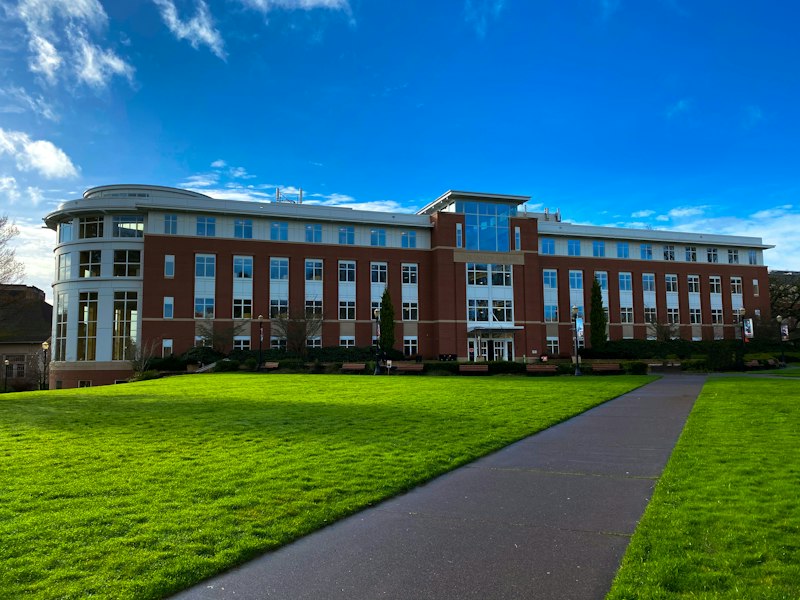
Nova Scotia's flagship research university and Atlantic Canada's leading institution, Dalhousie is known for its faculties of law, medicine, dentistry, oceanography, and management. The Schulich School of Law and Faculty of Medicine are among the most respected in Canada. Dal's ocean sciences and marine biology programs are world-class, befitting a coastal province.

Saint Mary's University
One of Canada's oldest English-language universities, SMU is known for its Sobey School of Business (highly regarded for commerce and MBA programs), astronomy, criminology, and international programs. Saint Mary's has a notably diverse and international student body.

NSCAD University
The Nova Scotia College of Art and Design, one of Canada's oldest and most respected art universities. NSCAD is internationally recognized for fine arts, craft, design, and media arts. A small institution with an outsized impact on Canadian visual culture.

Acadia University
A respected undergraduate university in the Annapolis Valley, known for strong programs in education, business, music, biology, and computer science. Acadia was the first Canadian university to require all students to have a laptop (in 1996) — a pioneering step in technology-integrated education.

Cape Breton University (CBU)
Cape Breton Island's university, known for nursing, business, community studies, and Indigenous studies. CBU has a notably high proportion of international students and is an important economic and cultural anchor for Cape Breton.
NSCC – Nova Scotia Community College
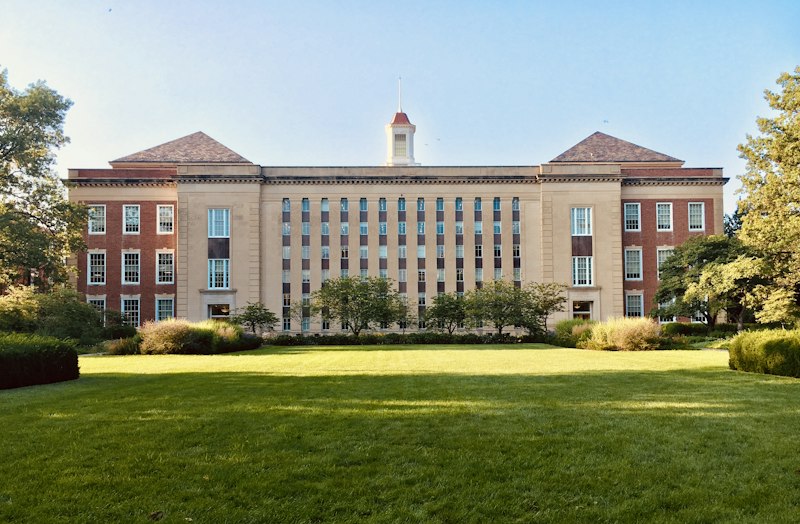
The province-wide college system with campuses from Yarmouth to Sydney, offering programs in trades, technology, business, health, and community services. NSCC is consistently recognized as one of Canada's top community colleges for applied learning and industry partnerships.
Sports Teams & Athletic Culture
Nova Scotia is hockey country to its bedrock. The province has produced more NHL players per capita than almost anywhere else in Canada, and the Mooseheads fill the gap left by having no NHL team with fanatical junior-hockey passion.
 MHEADS
Halifax Mooseheads
The pride of Maritime junior hockey. The Mooseheads play at Scotiabank Centre in Halifax to crowds that make bigger-city venues envious. The franchise has won the Memorial Cup and consistently develops players who move straight to the NHL.
 RNSYS
RNSYS
Royal Nova Scotia Yacht Squadron
Dating to 1837, the RNSYS is one of the oldest yacht clubs in North America. Chester Race Week is among the most prestigious keelboat regattas on the continent. The Bluenose II, a replica of the legendary racing schooner, sails from nearby Lunenburg.
 HSKIES
Saint Mary's Huskies
Saint Mary's and Dalhousie compete in the AUS (Atlantic University Sport) conference with genuine community support. University sport is taken seriously in Halifax and the AUS has produced many professional athletes.
Culture, Arts & Identity
Nova Scotia is one of the most culturally specific places in Canada. The province's Acadian, Mi'kmaq, Black Loyalist, Irish and Scottish identities don't blend into a generic "Atlantic Canadian" voice so much as coexist, sometimes uncomfortably, in close proximity. The result is a place with a strong sense of itself.
Celtic Music and Cape Breton
Cape Breton Island is one of the last places in the world where Gaelic is spoken as a community language and where Cape Breton fiddle music — a direct descendant of Scottish and Irish traditions brought by 18th and 19th-century immigrants — is still played at kitchen parties rather than just on stages. The Celtic Colours International Festival every October draws musicians from Scotland, Ireland and across the Celtic diaspora. Natalie MacMaster and Ashley MacIsaac, two of the world's finest Celtic fiddlers, are both Cape Bretoners.
The Acadian Legacy
French-speaking Acadians settled what is now Nova Scotia in the early 1600s, making it one of the oldest European settlements in North America. The Deportation of the Acadians (1755–1764), when the British expelled the population from their farms, is a defining trauma that continues to shape Acadian identity across Atlantic Canada. The village of Grand Pré in the Annapolis Valley, now a UNESCO World Heritage Site, is the spiritual centre of this memory.
The Black Loyalist Heritage
Nova Scotia has the oldest Black community in Canada, descended from Black Loyalists who came north after the American Revolution. The settlement of Africville in Halifax, bulldozed for industrial development in the 1960s in what the Nova Scotia government has since acknowledged as a racist act, remains a charged site of memory. The Museum of Nova Scotia's Black History exhibit addresses this history with care.
Food and the Sea
Nova Scotia seafood is serious. Lobster hauled from the Bay of Fundy and the Eastern Shore is some of the best in the world. The Digby scallop is a distinct product worth seeking out — larger and sweeter than sea scallops from other regions. The Halifax Donair — spiced beef, sweet sauce, onion, tomato in a pita — is the city's own fast-food invention, different enough from its Middle Eastern ancestors to constitute its own food culture.
Nova Scotia's Hall of Icons
For a province of just under a million people, Nova Scotia has produced an outsized share of Canadian writers, athletes, statesmen and entertainers. The Atlantic mindset — outward-looking, tradition-rich, slightly stubborn — has been good soil for talent that travels well.
Joseph Howe
Newspaper publisher, premier, and the man who fought (and won) the libel case that established freedom of the press in British North America. The statue at Province House, the bronze of Howe defending himself in court, is the closest thing Halifax has to a civic monument.
Hugh MacLennan
Five-time Governor General's Award winner, author of Two Solitudes and Barometer Rising. The latter, set during the 1917 Halifax Explosion, remains the definitive novelistic account of that catastrophe.
Sarah McLachlan
The voice of late-1990s adult-contemporary radio, founder of the Lilith Fair women-in-music tour, and one of the most recognizable Canadian musicians of her era. Studied at the Nova Scotia College of Art and Design before signing with Nettwerk in Vancouver.
Sidney Crosby
Captain of the Pittsburgh Penguins, three-time Stanley Cup champion, and the player who scored the "Golden Goal" at the 2010 Vancouver Olympics. Cole Harbour outside Halifax produced him; the Crosby Sports Centre in his hometown is one of the most-visited hockey-pilgrimage stops in the country.
Anne Murray
The first Canadian female solo artist to reach number one on the U.S. charts ("Snowbird," 1970). Four Grammy Awards, a permanent star on the Canadian Walk of Fame, and a hometown museum (the Anne Murray Centre in Springhill) that runs every summer.
Trailer Park Boys
Mike Smith, John Paul Tremblay and Robb Wells — the Halifax-area actors whose mockumentary about a fictional Sunnyvale Trailer Park became one of the most successful Canadian-made comedy exports of the 21st century. The set in Cole Harbour is now a tourist stop.
Viola Desmond
The Black Nova Scotian businesswoman whose 1946 refusal to leave the whites-only section of the Roseland Theatre in New Glasgow predates Rosa Parks by nine years. She was posthumously pardoned in 2010 and now appears on the Canadian ten-dollar bill.
Lucy Maud Montgomery
The author of Anne of Green Gables studied at Dalhousie College in Halifax and taught school across Nova Scotia before publishing her famous novel. The Lucy Maud Montgomery archives are split between the two provinces; both claim her.
Alexander Graham Bell
The inventor of the telephone spent the second half of his life on the Bras d'Or Lake at Baddeck. The Alexander Graham Bell National Historic Site, on the lake, is one of the most underrated science museums in Canada — Bell's tetrahedral kites, hydrofoil boats and aviation experiments are all on display.
Regional Cuisine: What Nova Scotia Actually Eats
Nova Scotia eats from the sea. Lobster, scallops, mackerel, haddock, snow crab — the boats land it within hours of dinner. Beyond the seafood, the province's food culture is shaped by Acadian, Mi'kmaq, Scottish, German and Black Loyalist traditions, each with their own corner of the table.
Lobster Roll & Lobster Supper
Nova Scotian lobster is hauled mostly from the southwest coast (Yarmouth to Cape Sable Island) and the Eastern Shore. The roll — knuckle-and-claw meat in a buttered, toasted bun, light mayonnaise, no celery if you know what's good for you — is the casual version. The community lobster supper at a church hall in summer is the full ritual: a whole lobster, melted butter, potato salad, and a piece of pie at the end.
Halifax Donair
Imported from Lebanon by Halifax restaurateur Peter Gamoulakos in the 1970s and tweaked into something distinctly local: spiced beef, sweet condensed-milk sauce, raw onion and tomato, in a pita. King of Donair (1973) and Tony's Donair are the two long-running shops. Eat one at 2 a.m. on a winter night, with no shame.
Digby Scallops
The Bay of Fundy port of Digby produces some of the largest, sweetest scallops in the world. Pan-seared with butter and lemon, or wrapped in bacon and broiled. The Digby Scallop Days Festival in August is the local celebration. Order them in any reputable Halifax fish house — Five Fishermen, the Press Gang, or the Bicycle Thief on the waterfront.
Rappie Pie
The defining Acadian dish: grated potato, the starch squeezed out, layered with chicken (or rabbit, or seafood) and baked for hours into something between a casserole and a pudding. Found in the Acadian shores around Pointe-de-l'Église and Yarmouth. The Rapure Acadienne shop in Pubnico has been making it since 1979.
Solomon Gundy & Hodge Podge
Two regional specialties worth seeking out. Solomon Gundy is pickled herring with onion — Lunenburg County's Lutheran-German contribution. Hodge Podge is a creamy summer-vegetable stew of new potatoes, baby carrots and fresh peas. Both pair with rye bread and a beer at the Old Triangle in Halifax.
Oatcakes
The Cape Breton tea-time tradition: thick, slightly sweet oat-and-butter biscuits served with strong tea. Found in every kitchen across the Cabot Trail. The bakery at the Red Shoe Pub in Mabou does the definitive version.
Whose Land Are You On?
All of Nova Scotia is the unceded ancestral territory of the Mi'kmaq Nation, whose presence in the region — known to them as Mi'kma'ki — extends back at least 11,000 years. The Peace and Friendship Treaties of the 18th century did not surrender land, and the Mi'kmaq title to the province has been repeatedly affirmed by Canadian courts.
Mi'kma'ki: The Seven Districts
Mi'kma'ki is traditionally divided into seven districts; six of them fall partly or entirely within modern Nova Scotia. The Mi'kmaq are members of the Wabanaki Confederacy (alongside the Wolastoqiyik, Passamaquoddy, Abenaki and Penobscot) and have maintained their language, governance traditions and ceremonial cycles continuously despite four centuries of colonial pressure.
The Peace and Friendship Treaties
Unlike the numbered treaties of the prairies, the Peace and Friendship Treaties signed by the Mi'kmaq with the British Crown did not surrender land. They affirmed a relationship of peace, hunting and fishing rights, and trade. The 1999 Supreme Court decision in R. v. Marshall upheld these treaty rights and reshaped the Atlantic fishery.
Where to Engage
The Membertou Heritage Park in Sydney is a thoughtful interpretive site on a working First Nation. The Mi'kmawey Debert Cultural Centre in central Nova Scotia is being developed at one of the oldest archaeological sites in North America. The Eskasoni Cultural Journeys experience on Goat Island, in the largest Mi'kmaq community in the country, offers a guided introduction by community members themselves.
The African Nova Scotian Story
While not Indigenous in the same sense, the African Nova Scotian community has been on this land for over 250 years — descendants of Black Loyalists, Black Refugees of the War of 1812, and Maroons from Jamaica. The destruction of Africville in north-end Halifax in the 1960s, an act for which the city formally apologized in 2010, remains an open wound. The Africville Museum at the site of the former village is essential.
Your Best 5-Day Stay in Nova Scotia
Five days is the right amount of time to see Halifax, the South Shore, the Cabot Trail and at least the start of the Bay of Fundy. The itinerary below assumes you fly into YHZ, rent a car, and treat the province as a long, looping coastal drive. Pack a sweater — even in July, the fog can roll in.
Halifax — Waterfront, Citadel, Harbour
Drop bags at a downtown hotel. Walk the Halifax Boardwalk: the Wave sculpture, the Maritime Museum of the Atlantic (the Titanic exhibit alone is worth an hour), Pier 21 (the Ellis Island of Canada). Lunch at the Bicycle Thief or a fish-and-chips at the Foggy Goggle.
Afternoon at Citadel Hill: the noon gun, the changing of the guard, the view over the harbour. Dinner at Edna in the North End for the casual chef-driven take, or Bar Kismet in the Hydrostone for the seafood-and-pasta room.
Peggy's Cove and the South Shore
Drive an hour southwest to Peggy's Cove (early — the tour buses arrive at 10 a.m.). Walk the granite shore at low tide; pick up coffee at the Sou'Wester. Continue along the South Shore: Mahone Bay, Lunenburg (UNESCO World Heritage, the Bluenose II in port if you're lucky).
Lunch at the Salt Shaker Deli in Lunenburg. Afternoon: stroll the painted-wooden waterfront, tour the Fisheries Museum of the Atlantic, and drive back along the Lighthouse Route. Dinner at the Trellis Café in Hubbards or back in Halifax at the Wooden Monkey.
Drive to Cape Breton — The Long Day
The honest version: it's a 4½-hour drive from Halifax to Baddeck. Stop in Antigonish for lunch and a walk through St. Francis Xavier University. Cross the Canso Causeway onto the island. Sleep at the Inverary Resort in Baddeck or the Cabot Trail's Keltic Lodge.
Afternoon at the Alexander Graham Bell National Historic Site if you arrive by 4 p.m. Evening at the Red Shoe Pub in Mabou for fiddle music and a pint of Big Spruce.
The Cabot Trail
Drive the full 298 km Cabot Trail loop. Counterclockwise puts the ocean on your right. Stop at Cape Breton Highlands National Park (Skyline Trail at sunset is the postcard hike), Pleasant Bay (whale-watching boats from the harbour), and Cheticamp for an Acadian lunch at the Restaurant Acadien.
Loop back through Ingonish for dinner at the Keltic Lodge dining room, or push to Sydney for a low-key evening on the harbour. Sleep wherever your loop ends.
Annapolis Valley & Bay of Fundy — Back to Halifax
Drive west out of Cape Breton to the Annapolis Valley (about 4 hours from Sydney to Wolfville). Stop in Truro to watch the tidal bore on the Salmon River — one of the few places in the world where you can see the tide come in as a moving wave.
Lunch at Le Caveau at Domaine de Grand Pré (the winery has the only Vidal-Cabernet Foch ice wine you'll find on the continent). Drive on to Halifax for an evening flight, or stay one more night at Wolfville's Blomidon Inn for a final dinner overlooking Cape Blomidon.
Five Days in Halifax
Halifax is a small Atlantic city built around one of the world's deepest natural harbours, with the Citadel hill at its centre and the seacoast never more than ten minutes away in any direction. Five days here covers the waterfront, Pier 21, the Citadel, Peggy's Cove, the South Shore villages, and a strong concentration of restaurants that punch well above the city's size. Stay along the harbourfront or in the South End for walkability.
The Halifax Waterfront & the Citadel
Walk the 4-km harbourfront boardwalk from the Casino north to Pier 21. The Maritime Museum of the Atlantic — Titanic artefacts, the Halifax Explosion of 1917 in painful detail, and the steamship Acadia tied up outside — is the anchor and warrants three hours. Lunch at the Bicycle Thief on the boardwalk.
Climb to the Halifax Citadel National Historic Site for the afternoon. The hilltop fortress, the noon gun (fired daily, loud, photographable), and the soldiers in 78th Highlander uniform all play to the British-imperial mood. The view across the harbour to Dartmouth is the best in the city. Dinner at Stories Fine Dining at the Halliburton in the South End.
Pier 21 & Point Pleasant Park
The Canadian Museum of Immigration at Pier 21 is the country's Ellis Island — the entry point for nearly a million immigrants between 1928 and 1971. The galleries are personal, often devastating, and worth three hours.
Walk south along the harbour to Point Pleasant Park — the city's tip, with Martello towers, ruined fortifications, and forest trails that the 2003 Hurricane Juan partially flattened and that have grown back in their own way. Dinner at Edna in the North End — the small chef-driven room that quietly defines Halifax dining.
Peggy's Cove & the Lighthouse Route
Drive 45 minutes southwest to Peggy's Cove — yes, it's the postcard, and yes, it's still beautiful. The granite headland, the 1915 lighthouse, the village of fishing shacks. Mind the warning signs about the black wave-washed rocks; people die there every few years. Lunch at the Sou'Wester Restaurant for the chowder and the view.
Continue down the Lighthouse Route through Mahone Bay (three churches in a row at the head of the harbour, the postcard view) to Lunenburg — the UNESCO-listed wooden colonial port that's the prettiest small town in eastern Canada. Dinner at Salt Shaker Deli on Montague Street and drive back to Halifax.
Halifax Public Gardens & the Art Gallery
Brunch at Battery Park in the North End. Walk the Halifax Public Gardens — 1867, Victorian, the only intact Victorian formal garden in North America, gloriously fussy. Spend an hour, and not less.
Afternoon at the Art Gallery of Nova Scotia, where the Maud Lewis house — the actual painted-wood cottage of the Nova Scotian folk artist — has been moved indoors and reconstructed as the gallery's centrepiece. Dinner at Little Oak in the South End or, if it's a weekend, at the Bar Kismet on Agricola for the best Mediterranean cooking on the east coast.
Dartmouth, Fisherman's Cove & Departure
Take the Dartmouth ferry — the oldest continuously operating saltwater ferry service in North America (since 1752). Brunch in Dartmouth at Lake City Cider or the Canteen on Portland Street. Walk Sullivan's Pond and the Shubie Canal.
If time allows, drive 15 minutes to Fisherman's Cove in Eastern Passage, the small fishing village reconstructed as a craft and lobster market. The airport (YHZ) is 30 minutes from downtown Dartmouth and runs efficient service to Toronto, Boston, London and Reykjavík.
Commerce & Industry
Nova Scotia is the most populous of the three Maritime provinces, the one with the most diversified economy, and the one that has been growing fastest in the past decade as immigration, remote work migration, and a genuine technology sector transformation have changed a province that older Canadians associate primarily with lobster boats and the Bluenose. The Halifax Regional Municipality has become a genuinely competitive mid-size city, and the economic picture in 2026 looks considerably brighter than it did in 2006.
1. Ocean Economy & Fisheries
Nova Scotia is Canada's largest fishing province by landed value. The commercial fishery centres on lobster — the southwest Nova Scotian lobster is among the finest in the world — along with snow crab, scallops, shrimp, and groundfish (halibut, haddock, pollock, and a recovering cod stock). Yarmouth and Digby Counties, Canso, and the Cape Breton coast are the operational heart of an industry that employs tens of thousands of harvesters, processors, and support workers. The fishery generates more than $2 billion at dockside annually.
2. Technology & Innovation
Halifax has developed the fastest-growing technology sector in Atlantic Canada, anchored by Volta (a startup incubator and accelerator), the universities' commercialization programs, and a growing cluster of defense and ocean technology firms. Clearwater Seafoods, Celtis Technologies, and dozens of software, cybersecurity, and ocean-data companies have made Halifax a plausible destination for tech talent that a decade ago would have moved to Toronto or Vancouver.
3. Tourism
The Cabot Trail on Cape Breton Island is one of the most celebrated scenic drives in the world. Peggy's Cove, the UNESCO-listed town of Lunenburg, the Annapolis Valley wine and cider trail, Halifax's waterfront and historic properties, and the growing dark-sky tourism in Kejimkujik National Park all contribute to a tourism sector that draws more than 2.5 million out-of-province visitors annually. The province has invested heavily in culinary tourism — Nova Scotia is a genuinely excellent place to eat well — and it shows in visitor satisfaction metrics.
4. Agriculture
The Annapolis Valley is one of Canada's great apple-growing regions and increasingly a wine and cider country of national significance — Benjamin Bridge and Jost are the flagship names. Nova Scotia is also a major blueberry, cranberry, and Christmas tree producer. The Truro area has a significant dairy and beef sector. Agriculture contributes modestly to the provincial economy in absolute terms but disproportionately to its food identity and tourism appeal.
5. Defence & Aerospace
Halifax is home to CFB Halifax, the largest Canadian Forces base on the East Coast and the home port of the Royal Canadian Navy's Atlantic fleet. Defence generates thousands of direct and indirect jobs. IMP Aerospace and Defence at Halifax Stanfield International Airport is one of the largest aerospace MRO (maintenance, repair and overhaul) companies in North America. StandardAero and other aerospace firms have a significant presence.
6. Advanced Manufacturing — Michelin
Michelin operates three tire manufacturing plants in Nova Scotia — at Pictou, Bridgewater, and Waterville — and is one of the province's largest private-sector employers. The plants produce tires for the North American market and represent a major foreign direct investment success story that has sustained thousands of manufacturing jobs in communities that would otherwise have had few alternatives.
7. Film & Television Production
Nova Scotia's Film and Television Production Incentive Fund has attracted productions including major network series and international co-productions to Halifax and Cape Breton. The province's varied landscapes double convincingly for rural New England, Scotland, and various fictional territories, making it a cost-effective alternative to more expensive Canadian production centres.
8. Financial Services
Halifax serves as the financial capital of Atlantic Canada, with major bank regional offices, insurance headquarters, and accounting firms servicing the maritime economy. Eastern Canada's largest credit unions have their provincial associations based in Halifax. The wealth management sector has grown as Halifax's house prices and investment market have matured.
9. Education
Nova Scotia has eleven degree-granting universities for a population of under one million — a ratio that is extraordinary by any measure. Dalhousie, Saint Mary's, Acadia, Mount Saint Vincent, the Nova Scotia College of Art and Design, Cape Breton University — the concentration of postsecondary institutions is the province's most significant economic and intellectual asset, generating research, healthcare professionals, and export students whose tuition fees sustain the provincial economy.
10. Construction & Real Estate
Halifax's housing market shifted from one of Canada's most affordable to a genuine affordability crisis between 2020 and 2023, driven by remote workers relocating from Toronto and overseas immigrants choosing Nova Scotia's quality of life and lower costs relative to Central Canada. Construction has been the fastest-growing employment sector in HRM in recent years, with cranes appearing on the downtown Halifax skyline at a pace the city hasn't seen since the 1960s.
Politics
Nova Scotia alternates between Progressive Conservatives and Liberals with a regularity that political scientists find almost therapeutic in its predictability, and the NDP won a majority in 2009 under Darrell Dexter before losing it in 2013. Tim Houston's PC government, elected in 2021 and re-elected with a majority in November 2024, represents the province's centre-right tradition tempered by a genuine commitment to healthcare rebuilding that cuts across ideological lines.
The Progressive Conservative Party & Premier Tim Houston
Tim Houston won the 2021 election on a single issue — healthcare — and the platform that got him there committed to specific and measurable improvements: cutting ER wait times, hiring nurses from abroad to fill critical shortages, building new community health centres, and increasing the medical school complement at Dalhousie. The government has delivered on some of these commitments faster than expected, including the recruitment of several thousand internationally trained nurses and the opening of new community health hubs outside Halifax.
Houston's PC government sits in the moderate centre of Canadian conservatism. It does not have the ideological edge of Alberta's UCP or Ontario's Ford government; it is more in the Stanfield-Hamm tradition of fiscal prudence married to active government investment in social infrastructure. The government has supported offshore wind development (Nova Scotia's coastline has among the highest offshore wind potential in Canada), invested in university research commercialization, and pursued housing policy — including modest zoning reforms — that is less aggressive than BC's but more active than the provincial PC average.
The Liberal opposition under Zach Churchill and the NDP under Claudia Chender remain competitive in Halifax's more urban ridings and in pockets of the province's working-class communities. Cape Breton, historically the most reliably NDP territory in the province, has become more competitive as the island's demographic and economic mix has shifted. Nova Scotia politics, in short, are healthy — genuinely contested, not ideologically extreme, and mostly focused on the practical questions of how to build a smaller province's way to a sustainable future.
A Poem for Nova Scotia
A poem for Canada's ocean playground
New Scotland, they named it, for the men who came
with their Gaelic and their fiddles from the north —
who found the same grey sea, the same cold frame
of headland, and decided it was worth

the distance. Cape Breton rises from the strait
with something in its topography that looks
like Sutherland or Skye — the light, the weight
of cloud on highland, the same trout in the brooks.

Halifax has been here since the war
that Britain needed it for, 1749 —
a harbour deep enough to hold the floor
of empire, and a Citadel to sign

the skyline. The explosion of 1917
destroyed the north end and shook New England.
The Acadian shore was, before that scene,
the oldest European settlement, legend

now in the dyke-lands of Grand-Pré.
The tides of Fundy cover what they claimed.
Annapolis Royal still holds the day
of Champlain's habitation, planted, named.

And all of it surrounded by the sea —
the Cabot Trail is just the most well-known
of coastlines that go on continuously,
each cove another story, each beach a tone.