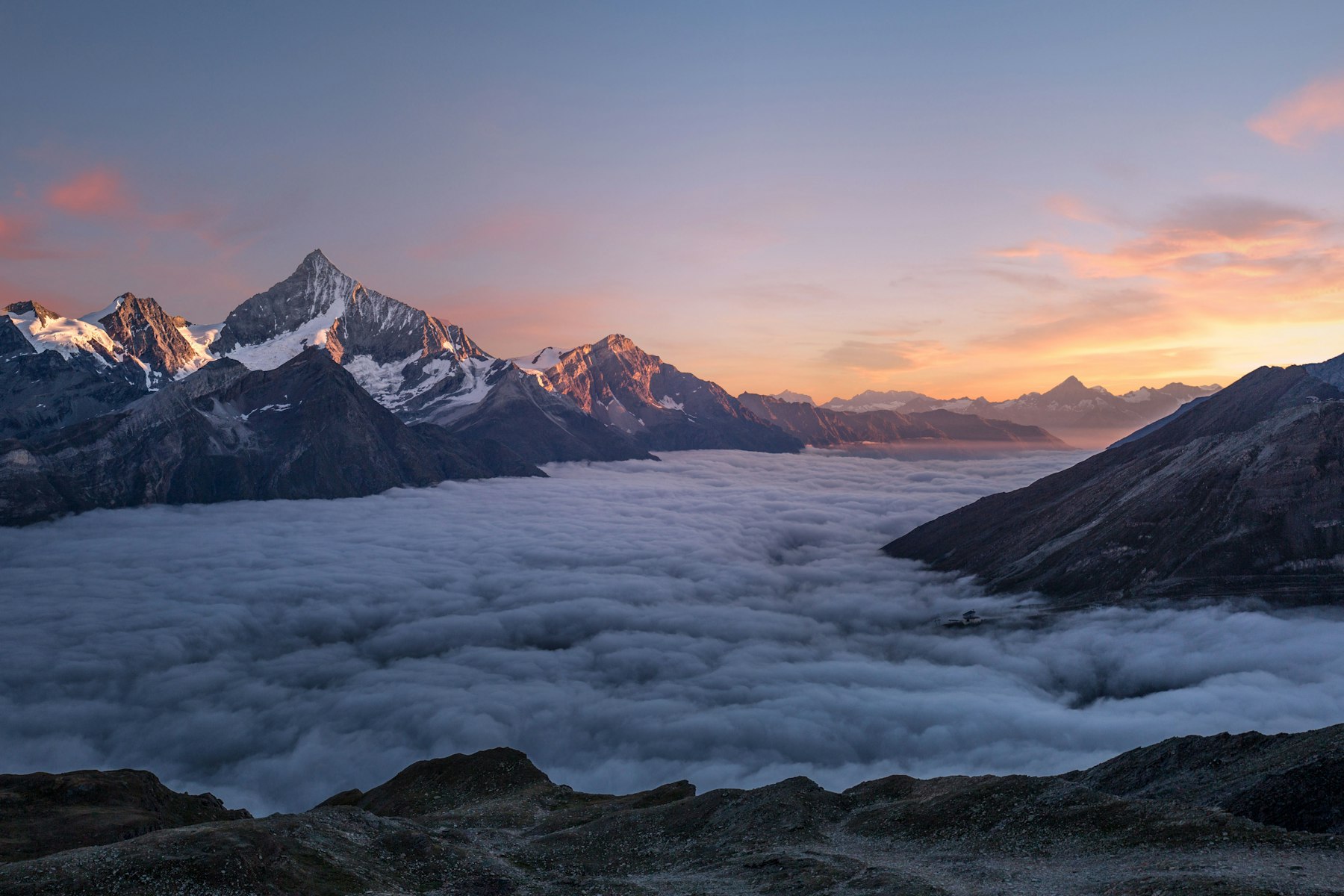
Alberta — Rockies, Ranches and Oilfields
Capital: Edmonton · Population: approximately 4.8 million · Joined Confederation: 1905
Alberta spent most of the 20th century as a ranching-and-farming province with a reputation for blue skies and conservative politics. Oil changed everything in the 1940s, and then again in the 1970s and 2000s. Today the province has a per-capita GDP higher than any Canadian peer, a fiscal regime built around resource revenues, a tech sector rapidly growing in Calgary, and a population that's younger than the national average (the median Albertan is about 37 years old).
For visitors, the province divides neatly into three. The mountains — Banff, Lake Louise, Jasper, Waterton — are what most international tourists come for. The cities — Calgary in the south, Edmonton in the central belt — are where most Albertans actually live. The prairie — the area east of Highway 2, the dinosaur badlands, the small grain-elevator towns — is the part almost no one sees, and it's where a lot of the province's character actually is.
A Compact History
Cree, Blackfoot, Tsuut'ina, Stoney Nakoda and Métis peoples have been on this land for thousands of years. The Hudson's Bay Company fur trade brought Europeans in the late 1700s. The territory was part of Rupert's Land until 1870, then the North-West Territories, and finally became its own province in 1905 alongside Saskatchewan.
The first oil boom came at Leduc in 1947, when the Leduc No. 1 well struck what turned out to be a very large oilfield. The oil sands of northern Alberta — around Fort McMurray — have been exploited commercially since 1967. The province has gone through several boom-bust cycles since then, most recently a sharp downturn in 2015-2016 that reshaped Calgary in particular.
Calgary

Calgary is Alberta's largest city, a metropolitan area of about 1.67 million people at the point where the prairie meets the foothills of the Rockies. It sits at an elevation of about 1,045 metres, which is higher than Denver — a fact that explains, among other things, why the air is drier and the sunsets are more dramatic than on the flat prairie.
Is Calgary just cowboys and oil?
That's the stereotype and it's not completely wrong. The Calgary Stampede every July is a huge civic event (more than 1.2 million attendees) and the energy sector is still the largest private employer. But Calgary has diversified significantly since 2015. Tech companies (Shopify's Canadian engineering hub, RBC Ventures, various fintechs) have moved in, film and television production is growing, and the city's population is younger and more international than many people expect. About 32 percent of Calgarians are foreign-born, roughly comparable to Montreal.
What neighbourhoods are worth exploring?
Downtown Calgary has a distinctive street life. The +15 Skywalk — a network of elevated indoor walkways — connects more than 100 buildings across 18 kilometres, which is useful in January when it's -25°C outside. Kensington, across the Bow River from downtown, is the walkable shopping-and-restaurant neighbourhood. Inglewood, east of downtown along 9 Avenue SE, is the oldest part of the city and has been slowly gentrifying for twenty years. Mission, along 4 Street SW, is the patio district.
Outside downtown, Bridgeland (Italian-Ukrainian-turned-hipster), Ramsay (artsy and industrial) and Bowness (west-end river neighbourhood) are worth exploring. Further out, Fish Creek Provincial Park in the south is one of the largest urban parks in North America.
Is Calgary expensive?
Less than Toronto or Vancouver; more than Edmonton. A one-bedroom apartment downtown runs CAD $1,600 to $2,000 in early 2026. The benchmark detached house is around CAD $700,000. No provincial sales tax means your grocery and retail bills are a couple of percent lower than in most other provinces.
What's the weather really like?
Unpredictable. Chinook winds can lift the temperature by 20°C in a few hours in the middle of winter; it's not unusual to have a January day above 10°C followed by a January day below -20°C. Summer is dry, sunny, and comfortably warm (daily highs around 23°C in July). Snow can fall any month of the year; in 2019 Calgary had snow on the first week of September and again in mid-May.
What are the Rockies from Calgary like?
Close. Banff is a 90-minute drive west on the Trans-Canada Highway. Kananaskis Country is 45 minutes. You can leave downtown at 6 a.m., be at Lake Louise by 9, hike for four hours, and be back in Calgary for dinner. Very few large cities in the world have mountains of that calibre that close.
Edmonton

Edmonton is the provincial capital, a metropolitan area of about 1.5 million in the geographic centre of Alberta. It sits on the North Saskatchewan River, much of it along a spectacular river valley that is one of the largest urban parks in North America (larger, by area, than Central Park, Stanley Park and Vondelpark combined).
How is Edmonton different from Calgary?
Edmontonians will tell you their city has a culture Calgary doesn't. Edmonton has the provincial government, the University of Alberta, the legislature, the Fringe Festival (the largest and longest-running fringe theatre festival in North America), and more publicly subsidized arts institutions than Calgary. It's also colder in winter (further north, no Chinook effect), flatter, and has a smaller skyline. Calgary is the corporate headquarters city; Edmonton is the government-and-arts city.
Is West Edmonton Mall actually worth visiting?
It was the largest shopping mall in the world from 1981 to 2004 and it's still North America's largest. It has a water park, an indoor ice rink, an amusement park, a replica of Santa Maria in a lake, and somewhere around 800 stores. It's a genuinely strange place. If you have a half-day and you like kitsch-on-an-epic-scale, go. If you hate malls, skip.
What else should I do in Edmonton?
Walk the river valley. Go to the Muttart Conservatory (four glass pyramids full of different climate biomes, very photogenic). Take a tour of the Alberta Legislature. Eat on 124 Street or in Old Strathcona, the neighbourhood around Whyte Avenue across the river. If you're there in August, the Fringe Festival is the city at its best.
Banff & Lake Louise
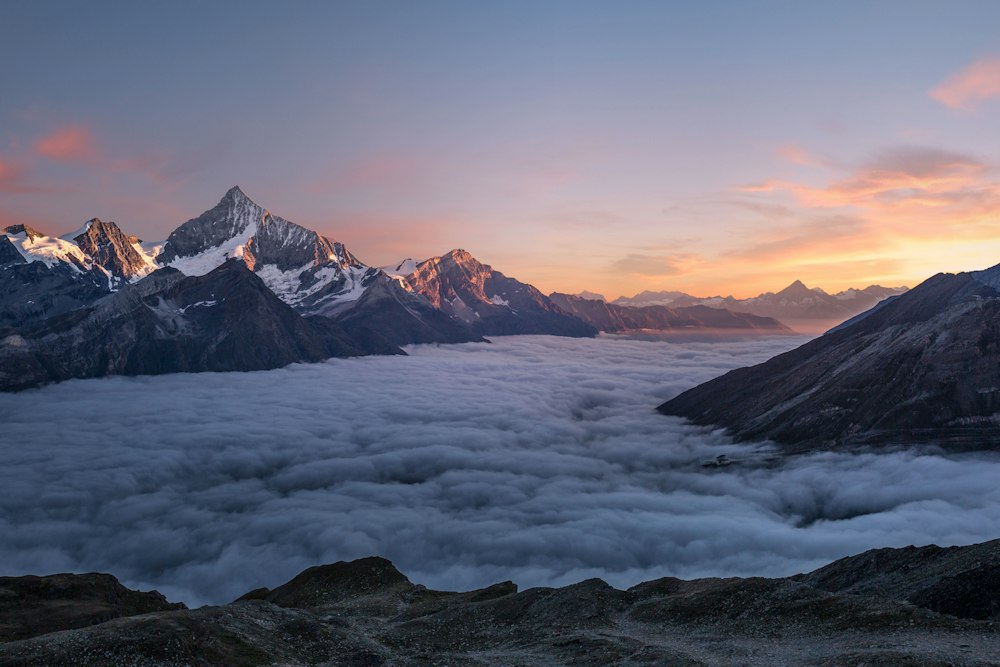
Banff is a town of about 8,300 people inside Banff National Park, Canada's oldest national park (1885). Lake Louise is a hamlet of about 1,000 people 55 kilometres further north. Between them they host about 4 million visitors a year.
When's the best time to visit Banff?
Depends what you want. Late June through mid-September is the peak: hiking trails clear of snow, wildflowers out, long daylight hours. Expect crowds, especially at Lake Louise and Moraine Lake. October can be beautiful (larches turn gold in the last two weeks of September into the first of October) but snow can arrive any time. Winter (late November to early April) is quieter in town, busy at the ski resorts (Sunshine Village, Lake Louise Ski Resort, Mount Norquay). May and November are proper shoulder seasons — cheap hotels, limited activities, not much colour.
Is Moraine Lake really closed to cars?
Yes, since 2023. You can only reach it by Parks Canada shuttle bus, by Roam transit bus, by commercial bus tour, on foot (14 km), or by bike. Book the shuttle in advance — in peak season it sells out weeks ahead. Lake Louise still has a parking lot but it fills by 7 a.m. in summer; use the Park & Ride at the Lake Louise Ski Resort.
How much does Banff cost?
A lot. A decent hotel room in Banff town in July runs CAD $400-$800 a night. The Fairmont Banff Springs, the famous castle-like hotel, is upwards of CAD $700 even in shoulder season. Camping is dramatically cheaper (CAD $30-$50 per site) but reservations open five months ahead and sell out in minutes for the best sites. A national park pass is CAD $11 per adult per day or $75 per year for a family.
Is Banff worth it given the crowds?
Yes, if you're willing to walk. The parking lots and the town and the lakeshore viewpoints are crowded. The moment you get two kilometres up a trail, you're essentially alone. A hike to Lake Agnes Tea House from Lake Louise, or to Helen Lake off the Icefields Parkway, will show you what the park actually is.
Jasper
Jasper is Banff's quieter, larger, northern sibling. Jasper National Park is actually bigger than Banff (10,878 km² versus 6,641), the town is smaller (about 4,700 people), and the wildlife is easier to find. Elk and bighorn sheep wander the edge of the town; wolves and grizzly bears are genuinely present in the backcountry.
Is Jasper still recoverable after the 2024 wildfire?
The 2024 Jasper wildfire burned through the townsite in late July, destroying roughly a third of the buildings. Rebuilding has been ongoing since late 2024 and the town is partially operational but not fully; check the current status before booking. The surrounding park, Maligne Canyon, the Columbia Icefield and the Icefields Parkway are largely unaffected and worth the trip.
How do I get to Jasper?
Drive. Jasper is about 4 hours from Edmonton and 4 hours from Banff via the Icefields Parkway. VIA Rail's Canadian transcontinental train passes through Jasper three times a week and is the most scenic way to arrive if you have the time. There is no major airport in Jasper itself.
Lethbridge & Southern Alberta
Lethbridge, population about 105,000, is the largest city in southern Alberta, 215 km south of Calgary. It's a coulee city (the Oldman River has carved deep ravines through it), a university town, and the traditional service centre for the surrounding ranching country. Just east is the dinosaur country of the Red Deer River badlands and the town of Drumheller, home to the Royal Tyrrell Museum — one of the best paleontology museums in the world. The Canadian Rockies get most of the attention, but the badlands are arguably Alberta's strangest landscape, and the Tyrrell is worth a detour on any trip between Calgary and Saskatoon.
Further south, Waterton Lakes National Park sits on the Montana border and is the quieter, shorter, prettier cousin of Banff. Fewer visitors, smaller lakes, more wildflowers. An overlooked corner of the province that's worth two or three days if you have them.
Fort McMurray & the Oil Sands
Fort McMurray sits in northern Alberta on the Athabasca River, population about 68,000 at the 2021 census (down from a 2013 peak of 76,000 after the 2016 wildfire and the oil-price crash). It's the centre of the oil sands industry — bitumen mining and in-situ extraction that produces most of the crude oil Canada exports to the United States. For almost all visitors, Fort McMurray is not a destination; it's the place the oil comes from, and a subject of ongoing environmental and political debate.
Alberta FAQs
Does Alberta really have no sales tax?
No provincial sales tax, correct. You still pay the 5 percent federal GST on most things. It's the only province in Canada without a PST or HST. A shopping day in Calgary costs meaningfully less than the same day in Toronto — 8 percent less, if the goods were taxable.
What's a Chinook?
A warm, dry wind that comes over the Rockies from the Pacific in winter. It can raise temperatures in Calgary by 15 to 25°C in a few hours. A classic Chinook morning: -20°C at dawn, +8°C by lunch. The price is headaches — Chinooks are widely blamed for migraines — and rapid snowmelt.
Do I need a car to see Alberta?
If you want to see the Rockies, yes. There are shuttle services from Calgary and Edmonton airports to Banff and Jasper (Brewster, SunDog, Banff Airporter) but they're expensive and inflexible. Renting a car in Calgary gives you access to the best of Banff, Kananaskis, the Icefields Parkway and Jasper over a five-to-seven-day trip. Outside the mountains, the cities themselves have decent transit.
What time zone is Alberta in?
Mountain Time (UTC-7 in winter, UTC-6 in summer with daylight saving). Same as Saskatchewan in winter, but different in summer because Saskatchewan doesn't observe DST. Two hours behind Toronto in winter and summer.
Is the Calgary Stampede worth it?
If you're the kind of person who enjoys big civic festivals, yes. It's ten days of rodeo, chuckwagon racing, midway rides, concerts, and a collective agreement to wear Western wear. If you hate crowds and country music, no. Book accommodation six months ahead if you want to go — Stampede week is the busiest hotel week of the year in Calgary.
Can I see the Northern Lights in Alberta?
Sometimes. Northern Alberta (Fort McMurray, Peace River, High Level) sees auroras dozens of nights a year. Edmonton and Calgary catch them a handful of times a winter during strong geomagnetic storms. For reliable viewing, go to Yellowknife in the Northwest Territories instead.
Education & Post-Secondary Institutions
Alberta is home to a strong network of universities, colleges, and polytechnic institutes, anchored by world-class research universities in Edmonton and Calgary and a robust system of technical and community colleges across the province.
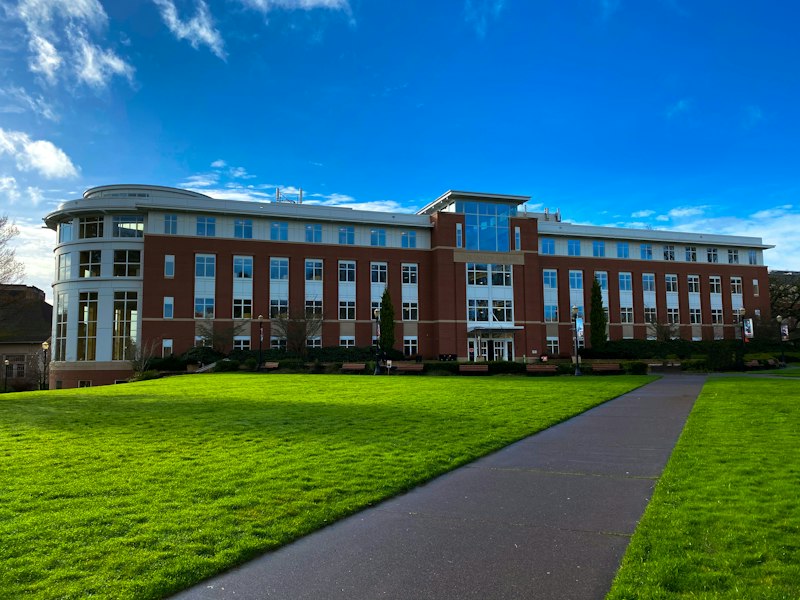
University of Alberta
One of Canada's top five research universities, renowned for its Faculty of Medicine & Dentistry, engineering programs, artificial intelligence research (part of the Alberta Machine Intelligence Institute), and one of the largest law schools in Canada. The U of A consistently ranks in the top 100 universities worldwide.

University of Calgary
A leading research university with particular strengths in energy and environmental science, veterinary medicine, law, and the Schulich School of Engineering. The Haskayne School of Business is one of Canada's most respected. UCalgary is a hub for the city's growing tech and startup ecosystem.

Athabasca University
Canada's foremost distance and online university, offering fully remote undergraduate and graduate programs to students across Canada and internationally. A pioneer in flexible, open learning — ideal for working adults and those in remote communities.
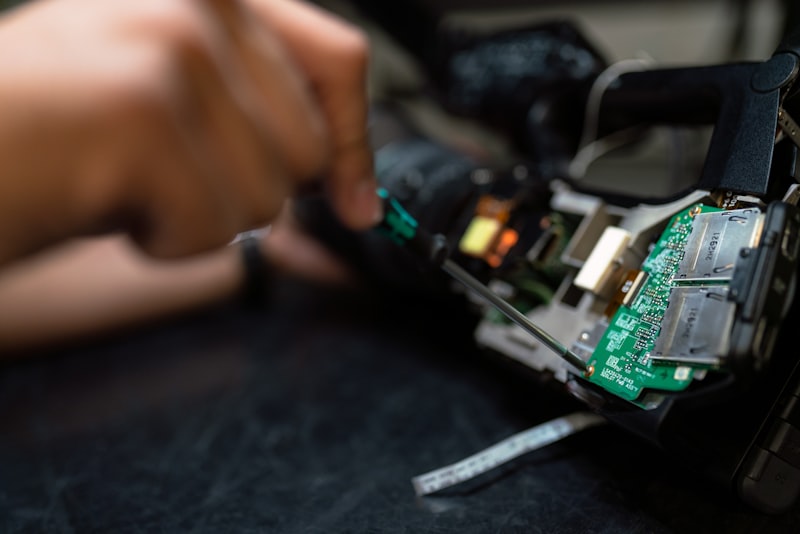
NAIT – Northern Alberta Institute of Technology
Alberta's leading polytechnic for trades, technology, and applied sciences. Programs in electrical engineering technology, petroleum engineering, culinary arts, and IT are among the most respected in western Canada. NAIT graduates are highly sought by Alberta's energy and construction sectors.
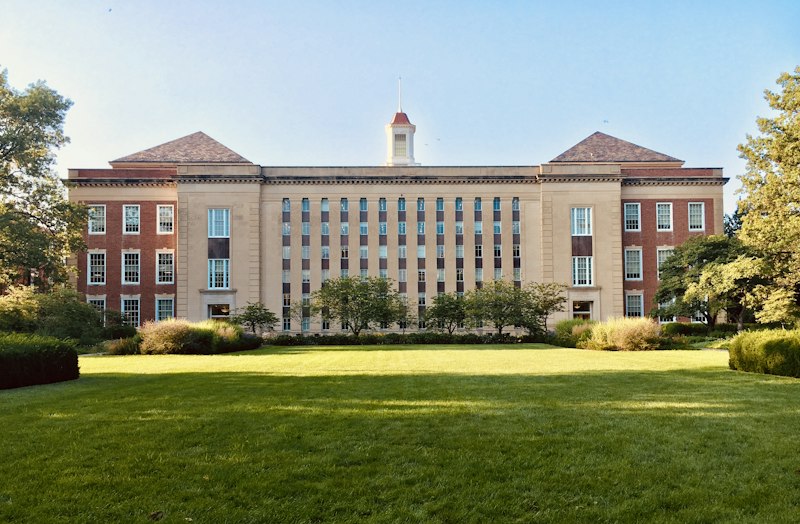
SAIT – Southern Alberta Institute of Technology
One of Canada's oldest and most respected polytechnics, with top-ranked programs in hospitality and tourism, architecture technologies, energy, business, and health sciences. SAIT's culinary and hospitality school is among the best in the country.
MacEwan University
A primarily undergraduate university known for strong programs in nursing, social work, music, arts, and business. MacEwan emphasizes small class sizes and close faculty-student relationships. Its arts and music conservatory programs are particularly well-regarded.
Mount Royal University
Calgary's undergraduate-focused university with a reputation for business, communications, education, and health studies programs. Known for small class sizes, strong co-op programs, and one of the best journalism programs in western Canada.
Sports Teams & Athletic Culture
The Battle of Alberta — the NHL rivalry between the Calgary Flames and the Edmonton Oilers — is one of the most heated in professional hockey. Both cities also field strong CFL teams and the province produces elite hockey talent at a remarkable rate.
 FLAMES
Calgary Flames
The Flames have called the Scotiabank Saddledome home since 1983. They won the Stanley Cup in 1989 and remain a perennial contender. The C of Red atmosphere on playoff nights is among the loudest in the league.
OILERS
Edmonton Oilers
Five Stanley Cups between 1984 and 1990 — largely on Wayne Gretzky and Mark Messier. Rogers Place opened in 2016 and gave one of hockey's most storied franchises a world-class downtown arena.
 STAMPS
Calgary Stampeders
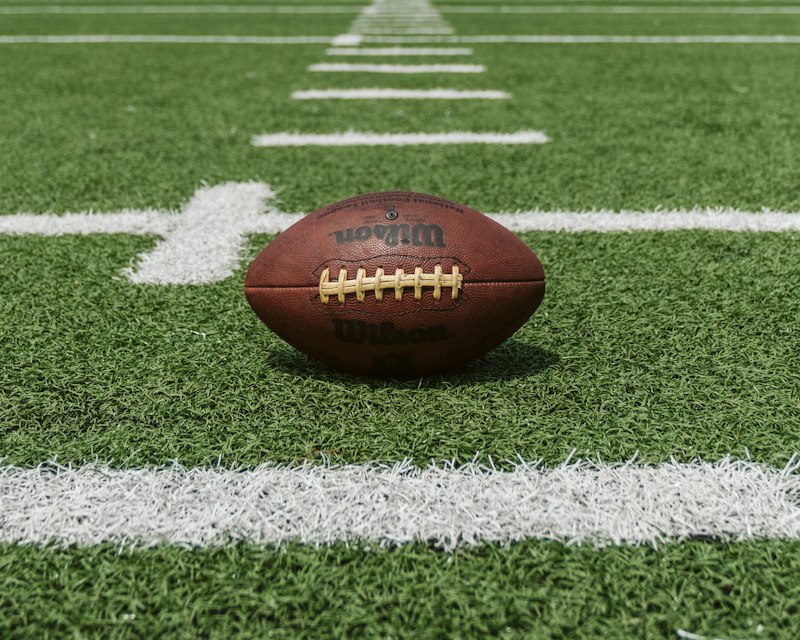
One of the CFL's most successful franchises with multiple Grey Cup championships. Calgary fans drape the city in red and white on home game weekends and the Stampede grounds buzz with pre-game tailgates every August.
ELKS
Edmonton Elks
Formerly the Eskimos (renamed 2021), the Elks play at Commonwealth Stadium — one of the CFL's largest outdoor venues. Edmonton has won the Grey Cup 14 times, more than any other franchise.
HITMEN
Calgary Hitmen
Junior hockey at the Saddledome — popular with families looking for high-skill, affordable hockey. The Hitmen have won two Memorial Cups and consistently develop players bound for the NHL.
OIL KGS
Edmonton Oil Kings
The Oil Kings play at Rogers Place, giving Edmonton fans year-round top-level hockey. Their 2022 Memorial Cup championship brought the city its first junior title in decades.
 CVALRY
Cavalry FC
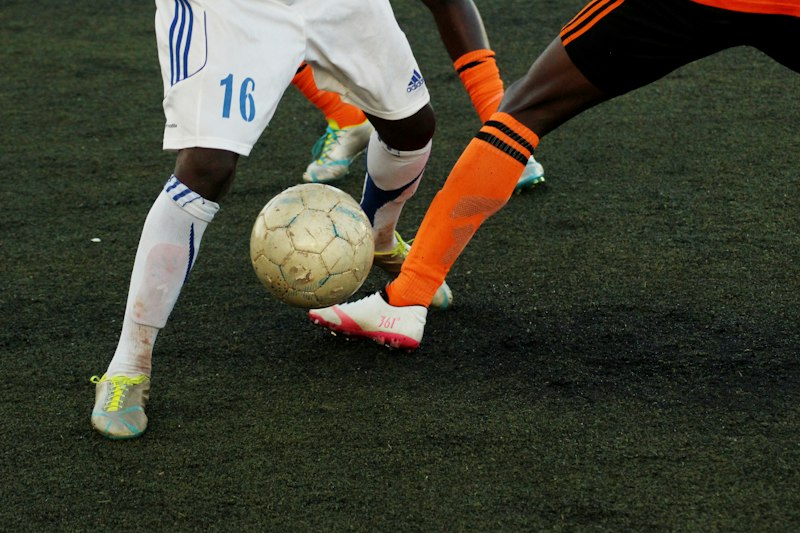
Calgary's Canadian Premier League side plays at ATCO Field in Spruce Meadows. Cavalry have won multiple CPL championships and represent Alberta's growing soccer culture.
Culture, Arts & Identity
Alberta's identity is layered — cowboy heritage runs deep, Indigenous cultures are foundational, and an influx of newcomers from across Canada and around the world has made both Calgary and Edmonton surprisingly cosmopolitan. The province has a reputation for conservatism but its cities are genuinely diverse and its arts scenes are often underestimated.
The Calgary Stampede
Every July, Calgary becomes the self-described "greatest outdoor show on Earth." The ten-day Stampede draws over a million visitors, combining rodeo, chuckwagon racing, grandstand shows and midway into something that feels genuinely unlike anywhere else. Even Calgarians who profess mild cynicism about the event tend to get swept up in it — the pancake breakfasts alone are a city-wide ritual.
Indigenous Heritage
The Blackfoot Confederacy, the Tsuut'ina Nation and the Stoney Nakoda peoples have deep roots across southern Alberta. The Blackfoot Crossing Historical Park east of Calgary is one of the most thoughtfully designed Indigenous heritage sites in western Canada. Treaty 6 and Treaty 7 territory covers most of the province, and Reconciliation is an active conversation in both cities.
Ukrainian-Canadian Heritage
Roughly 300,000 Albertans are of Ukrainian descent, giving the province the largest Ukrainian-Canadian population in the country relative to its size. Edmonton's north side has a visible Ukrainian cultural presence — perogie restaurants, Orthodox churches with distinctive onion domes, and events around Ukrainian Christmas in January. The Ukrainian Cultural Heritage Village east of Edmonton is a well-preserved open-air museum of early immigrant life.
Arts in Edmonton
Edmonton hosts one of Canada's largest arts festivals: the Edmonton International Fringe Theatre Festival, the second-largest fringe festival in the world by number of shows. The Chinook winds — warm föhn-type gusts that can push temperatures above zero in January — give the city an unusual energy. The High Level Diner on 114th Street has been a gathering place for artists and writers for decades.
Oil and the Province's Character
The oil industry shapes Alberta more than any other single force. Fort McMurray in the north is the centre of the oil sands operation, one of the world's largest energy projects. The boom-bust cycle is felt personally here in a way that doesn't map onto Toronto or Vancouver experience: a downtown Calgary parking lot that was an active office tower construction site in 2013 might have sat empty for years afterward. That volatility breeds both resilience and a certain fatalism.