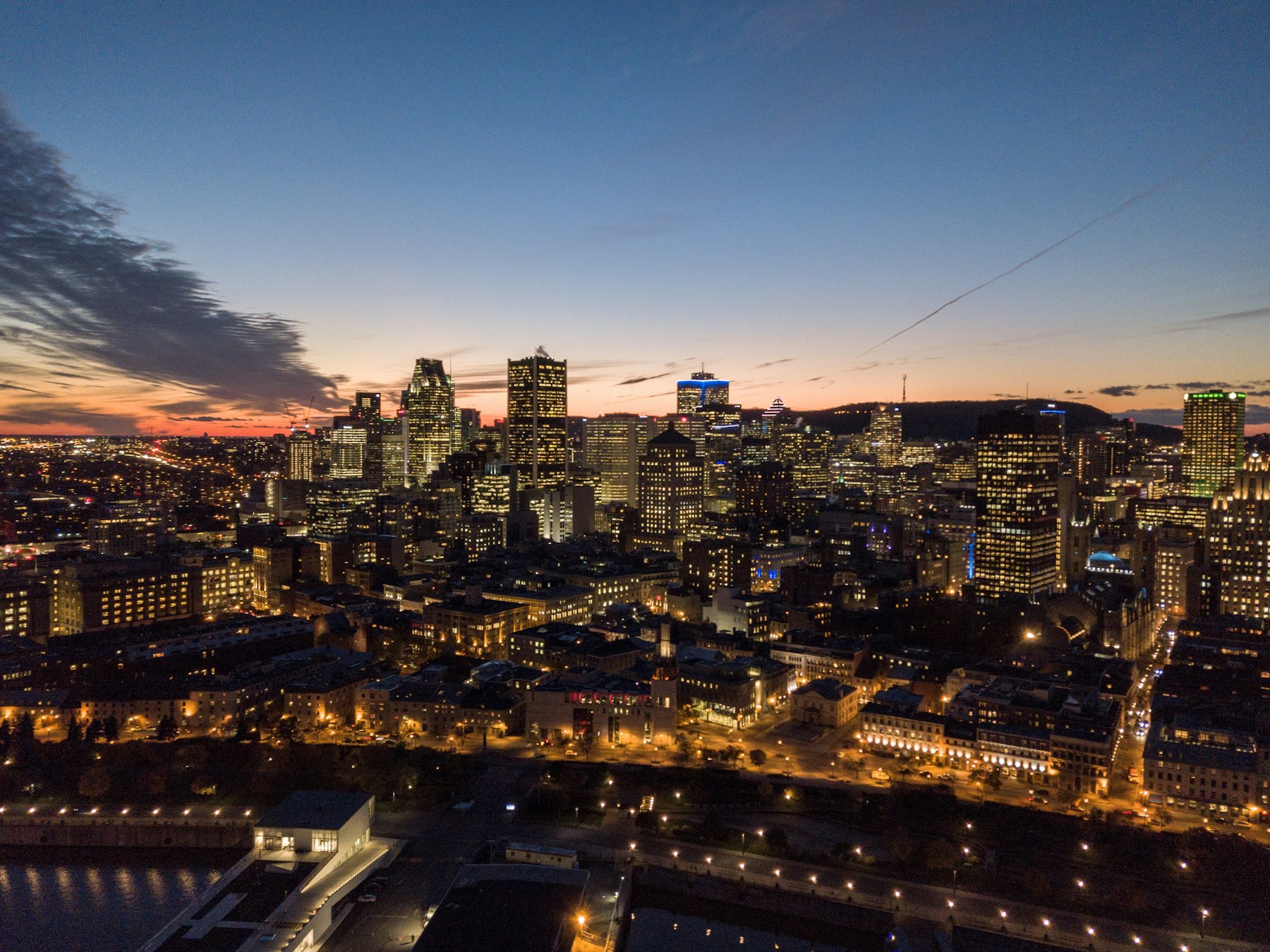
Understanding Quebec begins with the recognition that most things which are true of the rest of Canada are less true here. The rest of the country is a former British colony; Quebec is a former French one, handed to Britain in 1763. The rest of the country runs on common law; Quebec runs on a civil code descended from the Napoleonic one. The rest of the country conducts public life mainly in English; Quebec has, since the 1970s, ensured that it conducts public life in French. None of that means Quebec is not Canadian. It means Canada is a federation built around the accommodation of difference, and Quebec is the most visible of those differences.
- Capital
- Quebec City
- Largest city
- Montreal (~4.4 million metro)
- Population
- ~8.9 million
- Joined Confederation
- 1867 (founding)
- Official language
- French
- Time Zone
- Eastern (most), Atlantic (far east coast)
- Sales Tax
- 14.975% (5% GST + 9.975% QST)
- Drinking Age
- 18
A wide-angle overview
Quebec is the largest province of Canada by area — bigger than Alaska, almost three times the size of France — and the second-largest by population, with roughly 8.9 million residents. About four out of five of those residents live within a 100-kilometre band on either side of the St. Lawrence River, which is where European Quebec was settled and where almost all of its agriculture, industry and urban life remain. North of the boreal cutoff line, vast Indigenous regions like Eeyou Istchee (the Cree territory) and Nunavik (the Inuit-administered region above the 55th parallel) cover most of the province's actual landmass.
The province's economy is more diversified than its image suggests. Hydro-Québec, the publicly owned utility, is one of the largest electricity producers in the world and powers an industrial base that includes aerospace (Bombardier and Pratt & Whitney in greater Montreal), aluminum (Saguenay and the North Shore), pharmaceuticals, video games (Ubisoft Montreal alone employs over 4,500 people), and a deep banking and financial services sector based in Montreal. Quebec's GDP per capita has lagged Ontario's and Alberta's for decades but the gap has narrowed since the mid-2010s.
For visitors, the practical consequences of Quebec's distinctness are small but worth knowing. Signs are in French, sometimes exclusively. Government services are delivered in French. Sales tax is calculated as the federal 5 percent GST plus the 9.975 percent QST — total 14.975 percent, often rounded to 15 percent in conversation. Most service workers in Montreal, Quebec City, and the major tourist regions switch to English the instant they hear you struggling, but politeness goes a long way; starting with a "bonjour" is almost always appreciated.
Politically, Quebec has been governed since 2018 by the Coalition Avenir Québec under François Legault, a centre-right nationalist party that has consolidated the province's political centre. The Parti Québécois (sovereignist) and Québec Solidaire (left, also sovereignist) form the principal opposition, with the Quebec Liberals reduced to a small caucus largely concentrated in anglophone and allophone Montreal ridings. Sovereignty support has hovered around 35 to 40 percent in recent polls; a third referendum, while occasionally floated, is not on the immediate horizon as of mid-2026.
A compact history
Samuel de Champlain founded Quebec City in 1608 — one of the oldest European cities in North America. The French colony of New France stretched from there along the St. Lawrence, around the Great Lakes, and all the way down the Mississippi to New Orleans at its height in the early 1700s. The Seven Years' War, fought partly on the Plains of Abraham above Quebec City in 1759, ended with Britain taking control in 1763. The Quebec Act of 1774 famously preserved French civil law, the Catholic Church, and the seigneurial system — a set of accommodations that kept Quebec from joining the American Revolution and arguably saved the British colonies north of the Great Lakes.
For most of the 19th and early 20th centuries Quebec was a rural, largely Catholic, francophone province whose elite was a small English-speaking commercial class concentrated in Montreal. The Quiet Revolution of the 1960s — six or seven years of intense state-led modernisation — transformed Quebec almost overnight into a secular, industrialising society with a strong public sector and a confident French-language identity. The 1970s and 1980s saw the rise of modern Québécois nationalism, two sovereignty referendums (1980 and 1995, both defeated, the second by less than one percent), and the Charter of the French Language (Bill 101), which made French the sole official language of the province.
The post-1995 decades have been more pragmatic than ideological. Quebec has run its own immigration selection program (the Programme régulier des travailleurs qualifiés), maintained the lowest tuition fees in Canada for Quebec residents, built one of the most generous public childcare systems in North America (the famous $7-a-day daycare, now $9.85 a day after inflation indexing), and kept its taxes higher than the rest of Canada to pay for those programs. Whether the trade-off works depends on what you value; most Quebecers, by a wide margin in poll after poll, say it does.
The Indigenous history of Quebec is older than the European one and has been increasingly central to the province's politics. The 1975 James Bay and Northern Quebec Agreement was the first modern treaty in Canadian history; the 2002 Paix des Braves between Quebec and the Cree Nation has shaped resource development in the north for two decades. The findings of the 2019 Viens Commission on relations between Quebec public services and Indigenous peoples, and the 2020 death of Joyce Echaquan in a Joliette hospital, have kept these questions in front of provincial politics.
Montreal

- Metro population
- ~4.4 million
- French at home
- ~65%
- Average 1-bed rent (2026)
- CAD $1,600 – $1,900 in central neighbourhoods
- Best months to visit
- Late June – early September
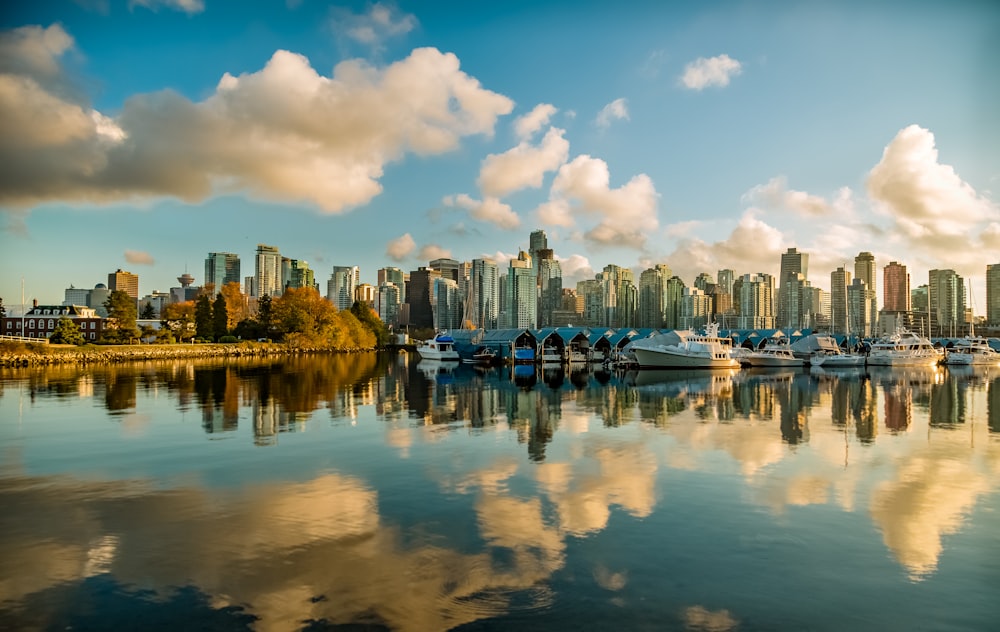
Montreal is the second-largest city in Canada by population and the largest French-speaking city in the Americas. It sits on an island at the confluence of the Ottawa and St. Lawrence Rivers, dominated by Mount Royal, the small mountain Frederick Law Olmsted laid out as a park in 1876 and from which the city takes its name. About 65 percent of Montrealers speak French at home, around 20 percent speak English, and the remaining 15 percent speak something else — Arabic, Spanish, Mandarin, Haitian Creole, Italian. Most Montrealers are bilingual; many are trilingual.
The dominant public language is French; the business language in many offices is a mix; some neighbourhoods (Outremont, Plateau, Villeray) feel overwhelmingly French, while others (NDG, Westmount, parts of downtown) are more bilingual or English-leaning. Le Plateau Mont-Royal is the obvious starting point for a visitor: leafy streets, three-storey walk-ups with the iconic exterior staircases, a dense network of bakeries and bookstores and cafés. Mile End, just north, was the old Hasidic neighbourhood that turned into an indie-music and start-up district in the 2000s; it is where two of the city's famous bagel bakeries, St-Viateur and Fairmount, have argued for forty years about which is superior. (St-Viateur is the better one, but both deserve the visit.)
Old Montreal (Vieux-Montréal) is the 17th- and 18th-century core down by the port, tourist-heavy but genuinely beautiful, with cobblestoned streets that close to cars on summer weekends. The Quartier des Spectacles, a downtown arts district, hosts the Place des Arts complex and most of the major summer festivals. Little Italy, Chinatown, the Latin Quarter around UQAM, the Gay Village along Sainte-Catherine, and the Atwater Market each have their own character.
Post-secondary education in Montreal
Montreal has four major universities — an unusual concentration for a North American city. McGill University, founded in 1821, is the city's English-language flagship and consistently ranks among the top universities in the world; the medical school, the law faculty, and the Desautels Faculty of Management are the international draws. The Université de Montréal, on the north slope of Mount Royal, is the largest French-language university in the Americas with around 67,000 students; its medical school is the largest in Canada and HEC Montréal, its affiliated business school, is one of the country's best. UQAM (Université du Québec à Montréal) is the public university created in 1969 to make French-language higher education accessible to working-class Quebecers and remains a culturally influential institution in the city. Concordia University, the city's smaller English-language university, has particular strengths in fine arts, journalism, and software engineering.
Tuition for Quebec residents is the lowest in Canada by a wide margin (roughly $3,000 per year for an undergraduate program). Out-of-province Canadian students pay considerably more after a 2024 tuition reform, and international tuition runs $20,000 to $50,000 a year depending on faculty. The combined Montreal student population is around 200,000, which is part of why the city feels younger and more energetic than its overall age structure would suggest.
Housing & cost of living in Montreal
Montreal is comfortably the best big-city value in Canada in 2026. A one-bedroom in the Plateau or Mile End rents for about CAD $1,600 to $1,900 a month; in Verdun, Rosemont or Villeray you can still find one for $1,300 to $1,600; in NDG or Lachine, often less. The benchmark price for a triplex (the classic Montreal investment property — you live in one apartment and rent the other two) sits around $850,000 in central neighbourhoods, which is approximately one-third of what an equivalent property would cost in Toronto.
Groceries are similar to Toronto but wine and cheese are cheaper (the SAQ stocks more European wine more cheaply than the LCBO) and restaurant meals run about 15 percent less than equivalent Toronto meals. Property taxes are lower than Toronto's; income taxes are higher (Quebec runs its own provincial income tax separately from the federal one, with a top marginal rate around 25.75 percent on top of the federal). The combined effect for a middle-income household is that Montreal trades higher direct taxation for substantially lower housing costs and access to a generous suite of social programs. For a single person earning $80,000, take-home pay is somewhat lower than in Ontario, but the same person in Montreal can usually rent better and save more.
Cultural scene, food & tourist attractions
The summer festival calendar is almost comically dense: the Montreal International Jazz Festival and the Fringe in June, Just for Laughs in mid-July, Les Francos and Osheaga in late July and early August, MUTEK in August, and a half-dozen free outdoor events filling every weekend. The Place des Arts complex, the contemporary art museum (MAC) and the Maison Symphonique anchor the formal cultural calendar. The Montreal Museum of Fine Arts on Sherbrooke Street has the city's strongest permanent collection.
The food scene is more distinctive than Toronto's. The classic dishes — poutine, smoked meat, bagels, tourtière — are all here and worth eating, even if the spots on the tourist circuit (Schwartz's, La Banquise) are not necessarily the best in town. The bigger story is the neighbourhood restaurant culture: bring-your-own-wine BYOB restaurants, a Quebec institution; the wave of Québécois terroir cooking led by Joe Beef and its imitators; an excellent North African and Middle Eastern food scene in Villeray and Parc-Extension; the Vietnamese strip on Côte-des-Neiges. Reservations at the better tables now require booking weeks ahead.
The Montreal Metro — four lines, clean, reliable, architecturally distinctive in a way Toronto's stations are not — is one of the best transit systems in the country. A single fare is CAD $3.75; an unlimited 3-day pass for tourists is $23.25. The system closes between 1 a.m. and 5 a.m. (no Canadian transit system runs 24 hours).
Sports & recreation
The Montreal Canadiens (NHL), with 24 Stanley Cups, are the most decorated franchise in professional hockey and the closest thing the city has to a civic religion. They play at the Bell Centre downtown; tickets are difficult and expensive when the team is good, slightly easier when it is rebuilding (which it has been doing since 2021). The CF Montréal of MLS plays at Saputo Stadium; the Alouettes (CFL) play at Molson Stadium and won the Grey Cup in 2023. Major League Baseball left the city in 2004 with the relocation of the Expos, but the campaign to bring it back, attached to a mooted second downtown stadium, occasionally re-emerges.
Recreationally, Mount Royal is the heart of the city: a 200-hectare forested park with summer paths and winter cross-country ski trails, all 15 minutes from downtown. The Lachine Canal cycle path runs 14 km west to Lake Saint-Louis along an old industrial corridor. In winter, the Mont-Sainte-Anne and Tremblant ski resorts are within a 90-minute to 2-hour drive of the city; closer in, the small Bromont and Sutton hills get heavy weekend traffic. The skating rink at the Old Port is the picture-postcard outdoor rink of the city.
The honest take
Montreal is the most distinctive large city in Canada and arguably the best urban deal on the continent. It has the universities, the food, the metro, the festivals, the housing prices, and a quality of light in October that no other Canadian city can match. The trade-offs are real: provincial politics that turn periodically on identity questions newcomers find awkward; winters that are colder than Toronto's; an income tax bill that arrives every April with a crunch. None of those are dealbreakers for the Anglophone, Allophone or Francophone newcomers who have made Montreal one of the fastest-growing cities in Canada by net interprovincial migration since 2020.
Quebec City
- Metro population
- ~830,000
- Founded
- 1608 (by Samuel de Champlain)
- UNESCO Status
- Old Quebec, since 1985
- Average 1-bed rent (2026)
- CAD $1,200 – $1,500
Quebec City (Ville de Québec) is the provincial capital, a city of about 830,000 perched on a bluff above the St. Lawrence River. The walled old city — the only fortified city north of Mexico — has been a UNESCO World Heritage site since 1985. It is the kind of place that looks like a postcard without trying, and for many visitors it is the highlight of an eastern Canada trip. About 95 percent of Quebec City residents speak French at home, which makes the city function as the linguistic and political heart of Quebec proper, while Montreal increasingly functions as its multicultural commercial capital.
The walls you see today are largely 19th-century British reconstructions on earlier French foundations. Walk them in either direction and you can do the entire perimeter in two hours with photographs. Rue du Petit-Champlain, in the Lower Town, is often listed as the most beautiful street in North America; it is short and crowded but worth the visit. The funicular down from the Upper Town to the Lower Town is the easiest way to make the descent without burning your knees.
The Plains of Abraham — the battlefield where New France effectively ended in 1759 — now functions as the city's main park, and was the site of Paul McCartney's famous free 2008 concert for the city's 400th anniversary. The Musée de la civilisation in the Lower Town and the Musée national des beaux-arts du Québec on the Plains are the two major museums. In winter, the city throws a Carnaval de Québec that is a full-commitment two-week celebration; if you are visiting in early February, plan around it.
Post-secondary education in Quebec City
Université Laval, the oldest French-language university in North America (founded as a seminary in 1663, reorganised as a university in 1852), is the city's academic anchor. Roughly 43,000 students attend; the medical school, the forestry faculty (one of the best in the world), the law faculty and the school of architecture are the standouts. Laval's main campus is in Sainte-Foy, on the western edge of the city, in a complex of brutalist 1960s buildings that locals either love or want demolished depending on the day. Tuition for Quebec residents is around $3,300 per year; out-of-province Canadian students pay roughly $9,000; international tuition runs $18,000 to $30,000 depending on program.
Housing & cost of living in Quebec City
Quebec City is significantly cheaper than Montreal — one of the cheapest large urban centres in eastern Canada. A one-bedroom rents for roughly CAD $1,200 to $1,500 in central neighbourhoods like Saint-Roch, Saint-Sauveur and Limoilou; in the suburbs of Sainte-Foy and Charlesbourg you can find them for $1,000 to $1,300. A detached home in a desirable neighbourhood like Montcalm sells for $550,000 to $750,000. The labour market is dominated by the provincial public service, the universities and hospitals, and a growing cluster of insurance companies (the city is sometimes called Quebec's insurance capital).
Cultural scene, food & tourist attractions
Beyond the obvious old-city attractions, the Saint-Roch district downhill from the walls has been the city's most talked-about neighbourhood for the past decade — a former industrial area now packed with restaurants, microbreweries, and tech offices. The Chez Boulay menu, the patisserie at Paillard and the smoked-meat at Buffet de l'Antiquaire are reliable starting points. Day trips: Île d'Orléans (a farming island in the St. Lawrence ten minutes east, with strawberry farms and cider houses); Montmorency Falls (higher than Niagara, though much narrower); the Côte-de-Beaupré church-and-shrine drive; the Mont-Sainte-Anne ski resort 40 km east.
Sports & recreation
Quebec City lost its NHL team, the Nordiques, to Colorado in 1995 — a wound the city has not entirely healed from. Multiple campaigns to attract an NHL expansion or relocation team have run since the new Vidéotron Centre arena opened in 2015, but no team has come. The Quebec Remparts of the QMJHL, owned in recent years by Patrick Roy, are the city's main spectator sport. The Quebec City Marathon in late August and the Pentathlon des Neiges (a winter multi-sport event on the Plains) are the major participation events.
The honest take
Two full days is enough for the old city; a third day lets you get out to Île d'Orléans or the Côte-de-Beaupré. As a place to live, Quebec City is the most affordable big city in eastern Canada, with strong public services and a remarkable physical setting. The downside is that it is not as cosmopolitan as Montreal or Toronto, French-language ability is more important than in Montreal, and winters along the open river are punishing. For a French-speaking professional, particularly in the public sector or the insurance industry, it is one of the best deals in the country.
Gatineau

- Population
- ~290,000
- Across the river from
- Ottawa, Ontario
- Major employer
- Federal public service
- Average 1-bed rent (2026)
- CAD $1,400 – $1,700
Gatineau sits on the Quebec side of the Ottawa River, directly across from Ottawa. Population is about 290,000, and combined with Ottawa it forms the National Capital Region. It is often visited as a half-day trip from Ottawa, but it is in fact the fourth-largest city in Quebec, and a substantial number of federal public servants live in Gatineau and commute across the bridges to offices in Ottawa — the wage is the same on both sides of the river, while income taxes are different and Quebec's daycare system makes the Quebec side noticeably better for young families.
The city was created in 2002 by the amalgamation of five smaller municipalities, including the historic city of Hull, the original lumber town that grew up across the falls from the Ottawa shore. Hull's old downtown still has the bars and clubs that draw the Ottawa weekend crowd; the rest of Gatineau is more suburban in character.
Post-secondary education in Gatineau
The Université du Québec en Outaouais (UQO), part of the Université du Québec network, is the main university; total enrolment is around 7,000, with strengths in social work, computer science and accounting. Cégep de l'Outaouais (the local CEGEP, which in Quebec serves as both a senior high school and a vocational college) is the largest post-secondary institution in the city by enrolment.
Housing & cost of living in Gatineau
Gatineau is cheaper than Ottawa and meaningfully cheaper than Montreal. A one-bedroom rents for about CAD $1,400 to $1,700; a detached home in Aylmer or central Hull lists in the $500,000 to $650,000 range. Combined with Quebec's $9.85-a-day daycare system and the lower QST-on-cheap-everyday-things effect, Gatineau is one of the better practical relocation targets in the country for a young family with at least one bilingual parent.
Cultural scene, food & tourist attractions
The Canadian Museum of History (formerly the Museum of Civilization), one of the country's most-visited museums, is on the Gatineau side of the river and has the best Indigenous art gallery in Canada. Casino du Lac-Leamy, the Gatineau Hot Air Balloon Festival in late August, and the Sound and Light show on Parliament Hill (which is best viewed from the Gatineau side) are the standard draws. The Maxime food cluster around Boulevard Saint-René brings together a credible French-Canadian dining scene.
Sports & recreation
Gatineau Park is the recreational anchor: 361 square kilometres of protected forest immediately north of the city, with 50 km of cross-country ski trails in winter, lake-swimming and hiking in summer, and the Eardley Escarpment running along its southern edge. The Gatineau Olympiques of the QMJHL play at the Robert-Guertin Centre. The Loppet Gatineau, a major cross-country ski race in February, is one of the largest on the Worldloppet circuit in North America.
The honest take
Gatineau is the underrated half of the National Capital Region. For a federal public servant or any professional with bilingual capacity, it offers most of Ottawa's job market with cheaper housing, better daycare, and a 600-square-kilometre wilderness park 15 minutes from downtown. The trade-off is the language: working in Ottawa while living in Gatineau is easy, but the city's life happens in French.
Sherbrooke & the Eastern Townships


- Sherbrooke population
- ~170,000
- Region
- Estrie / Eastern Townships
- Anchor institution
- Université de Sherbrooke
- Distance from Montreal
- ~155 km southeast
Sherbrooke, population about 170,000, is the largest city of the Eastern Townships (Estrie), a region of rolling hills, small lakes, and a distinctly different feel from the rest of Quebec. The Townships were settled in the late 18th and early 19th centuries by English-speaking Loyalists fleeing the new United States, and still retain a lingering bilingual character: place names like Stanstead, Knowlton, North Hatley and Magog hint at the heritage. Today the region is majority francophone, but the bilingual layer is denser than anywhere else in Quebec outside Montreal.
The Townships have built themselves into Quebec's wine country since the 1980s. Domaine Pinnacle's ice cider, the wineries around Dunham, and the cheese makers along the Route des Fromages have created a slow-food trail that draws Montreal weekenders in increasing numbers. The fall foliage drive through Magog, North Hatley, and Stanstead is one of the prettiest in the country.
Post-secondary education in Sherbrooke
The Université de Sherbrooke, founded in 1954, is the city's economic and cultural anchor. Enrolment is around 31,000 across multiple campuses. The medical school, the engineering faculty (with a particularly strong reputation in mechanical and aerospace engineering), and the law faculty are the standouts. The university pioneered the co-op education model in Quebec and continues to place students in industry placements throughout their degrees. Bishop's University, in nearby Lennoxville (now part of Sherbrooke), is the only English-language university in the Eastern Townships and one of the smallest and most selective liberal arts colleges in Canada, with around 2,500 students.
Housing & cost of living in Sherbrooke
Sherbrooke is one of the cheapest mid-sized cities in eastern Canada. A one-bedroom rents for roughly CAD $1,000 to $1,250; a detached home in central neighbourhoods like the Vieux-Nord lists in the $400,000 to $550,000 range. The cost-of-living advantage relative to Montreal is large enough that the city has, since the pandemic, attracted a steady flow of remote-work relocators from Montreal — a trend that has begun to bid up prices but has not yet erased the gap.
Cultural scene, food & tourist attractions
The Granby Zoo (technically just outside Estrie, but everyone in the region considers it theirs), the Magog waterfront on Lake Memphremagog, the Mont-Bellevue ski hill in the middle of Sherbrooke itself, and the Foresta Lumina light walk in Coaticook are the major family draws. The Eastern Townships Wine Route, with its 22 stops, is the wine-and-cheese version. The Festival des Traditions du Monde, held annually in Sherbrooke in early August, is the city's biggest cultural event.
Sports & recreation
The Sherbrooke Phoenix of the QMJHL play at the Palais des Sports Léopold-Drolet. Cycling along the Route Verte network, particularly the converted-rail-trail sections through the Townships, is the regional summer pastime. Skiing at Mont-Orford, Mont-Sutton and Owl's Head is within an hour's drive; cross-country at Mont-Bellevue is in the city. The Memphremagog Lake winter swim, in which a group of locals plunges into a hole in the ice every January, is a regional curiosity.
The honest take
Sherbrooke and the Townships are the closest thing Quebec has to Vermont — small towns, big trees, good cheese, decent wine. As a place to relocate, it suits remote workers, university families, and anyone whose idea of a weekend involves a 30-kilometre cycle ride and a dinner at a domaine. As a place to visit, give it three or four days in early October.
Trois-Rivières & Mauricie

- Population
- ~140,000
- Founded
- 1634 (second-oldest French settlement in N.A.)
- Distance from Montreal/Quebec City
- ~140 km / ~130 km
- Anchor institution
- Université du Québec à Trois-Rivières
Trois-Rivières, halfway between Montreal and Quebec City on the north shore of the St. Lawrence, is the second-oldest French-speaking settlement in North America (founded 1634). It is a city of about 140,000 built around the paper industry, which used to dominate the local economy and which has shrunk substantially over the last forty years. The city has spent the 21st century reinventing itself around tourism, the university and a small but growing tech sector.
The downtown is built on a long, narrow street pattern that hugs the river, with a 1908 fire having burned much of the original 17th-century town to the ground. What survived — the old Ursulines monastery, several stone houses on Rue des Ursulines, the cathedral — gives a sense of what New France looked like before industrialisation.
Post-secondary education in Trois-Rivières
The Université du Québec à Trois-Rivières (UQTR), founded in 1969 as part of the UQ network, has around 15,000 students. Its chiropractic school is the only French-language one in the world; its hydrogen research institute is internationally recognised; and its accounting and finance programs feed the regional banking sector. The Cégep de Trois-Rivières offers a strong technical-and-trades program and feeds the regional industry.
Housing & cost of living
Trois-Rivières is one of the most affordable places to live in Quebec. A one-bedroom rents for about CAD $850 to $1,100; a detached home in a central neighbourhood like Trois-Rivières-Ouest lists in the $300,000 to $450,000 range. Wages run lower than Montreal or Quebec City, but the gap in living costs is large enough that for many remote workers and provincial public-sector employees the math works.
Cultural scene, food & tourist attractions
The Boréalis museum on the old paper mill site is the city's industrial-heritage anchor and is genuinely good. The Festivoix de Trois-Rivières, the city's mid-summer music festival, draws large crowds along the riverfront. La Mauricie National Park, a 90-minute drive north, is one of the lesser-known but most rewarding national parks in eastern Canada, with a 63-kilometre canoe route through interconnected lakes that is one of the iconic multi-day trips of southern Quebec.
Sports & recreation
The city's main spectator sport is the Aigles de Trois-Rivières of the Frontier League (independent professional baseball), which plays at the small but well-loved Stade Quillorama. Junior hockey lives in the city's history rather than its present (the Draveurs left in 1992), but the regional cycling scene is strong, and La Mauricie's lakes draw weekend canoeists from across Quebec.
The honest take
Trois-Rivières is not a destination for most visitors, but it is a credible relocation target for someone who wants a small-city life with university and hospital amenities at a fraction of Montreal's cost. The drive from Montreal takes 90 minutes; the drive to Quebec City, the same. For a writer, a remote worker, or a retiree from southern Quebec, the math has been increasingly compelling since the pandemic.
Saguenay & the Gaspé
- Saguenay population
- ~145,000 (city)
- Major rivers/features
- Saguenay Fjord, St. Lawrence, Gaspé Peninsula
- Distance from Quebec City
- ~210 km north
- Industries
- Aluminum, forestry, tourism
Saguenay — a city of about 145,000 made up of the merged communities of Chicoutimi, Jonquière and La Baie — sits at the mouth of a fjord that cuts 100 kilometres inland from the St. Lawrence. The fjord is one of the most southerly in the world and runs straight through the middle of the city. Aluminum, hydro power and a long forestry history shaped the local economy, and Rio Tinto's massive smelter complex in Arvida is one of the largest aluminum production sites in the western world. The Saguenay-Lac-Saint-Jean region around the city, sometimes affectionately called le Royaume du Saguenay, has a distinctive accent and a strong regional identity even by Quebec standards.
The Gaspé Peninsula, east of Quebec City, is a separate region but shares the Saguenay's character of deep landscape and strong identity. The peninsula loops around some of the most dramatic coastline in eastern Canada — Percé Rock rising out of the ocean at the easternmost tip, the Forillon National Park cliffs, and the Chic-Choc Mountains running down the spine. Driving the peninsula loop (Route 132) is one of the great Canadian road trips, and demands at least a week to do well.
Post-secondary education in the region
The Université du Québec à Chicoutimi (UQAC), part of the UQ network, has around 6,500 students; its programs in mining engineering, regional development, and Indigenous studies (UQAC has the largest cluster of Innu students of any university in the world) are the international draws. UQAR, the sister university based in Rimouski with a satellite in Lévis, serves the Gaspé and Bas-Saint-Laurent regions.
Housing & cost of living
The Saguenay is one of the cheapest urban regions in eastern Canada. A one-bedroom rents for around CAD $750 to $950; a detached house lists in the $250,000 to $400,000 range. Wages, particularly in the unionised industrial sectors (aluminum, forestry), are competitive with the rest of Quebec. The catch, as with all remote regions, is that the consumer market is thin and many goods are more expensive than they would be in Montreal or Quebec City.
Cultural scene, food & tourist attractions
Whale-watching on the lower St. Lawrence is a summer staple, with belugas, minkes, fin whales and the occasional blue whale off Tadoussac at the mouth of the fjord. The Saguenay-Saint-Laurent Marine Park, jointly managed by Quebec and Parks Canada, protects the marine ecosystem at the meeting of the two waters. The Lac-Saint-Jean blueberry farms (the Saguenay-Lac-Saint-Jean produces about 40 percent of Canada's wild blueberries) and the famous regional dish tourtière du Lac-Saint-Jean — a deep meat pie with cubed meat rather than ground — are the food anchors.
On the Gaspé, Percé Rock, Forillon National Park, the Chic-Chocs ski touring (Quebec's only true alpine backcountry skiing), and the Île Bonaventure gannet colony (with 116,000 nesting pairs, one of the largest colonies in the world) are the major draws. The drive from Sainte-Anne-des-Monts around to Gaspé itself is the most spectacular stretch of coastline in eastern Canada, full stop.
Sports & recreation
The Saguenéens de Chicoutimi of the QMJHL play at the Centre Georges-Vézina. Outdoor recreation is the regional specialty: cross-country skiing on the trails along the fjord in winter, kayaking the fjord in summer, and the Sentier des Caps national hiking corridor connecting the Saguenay to Quebec City. The Vélomaritime cycle route, running from Lévis to Gaspé, is the longest signposted cycle route in eastern North America.
The honest take
The Saguenay and the Gaspé are not city breaks. They are for people who want to live near or visit large, raw landscapes, and who do not mind being a long way from a major airport. The region's politics are dominated by a sense of being underweighted in provincial policy, and the population has been declining in some communities for thirty years. But the landscape is the most spectacular in eastern Canada, the food is distinctive, and the culture is intact. Visit knowing what you are visiting; relocate only if you genuinely want a regional life.
Quebec FAQs
Is Quebec a country?
No, but it is not unreasonable that people ask. Quebec is a province of Canada with its own National Assembly, its own legal code (civil law), its own pension plan (the Régime des rentes du Québec, separate from the federal CPP), its own immigration selection program, and its own international offices in cities like Paris and New York. Two referendums on independence have been held (1980 and 1995); the 1995 one was defeated 50.58 percent to 49.42 percent.
What is Bill 101?
The Charter of the French Language, passed in 1977. It makes French the sole official language of Quebec, requires that commercial signage be in French (French must be "predominant" if other languages appear), and funnels the children of immigrants into French-language public schools. It has been amended many times — most recently and significantly through Bill 96 in 2022, which strengthened French-language requirements in workplaces and government services — but the core intent remains.
What's poutine, really?
Fries, fresh cheese curds, and brown gravy, invented somewhere in rural Quebec in the late 1950s. The curds have to be fresh enough to squeak against your teeth; if they don't, it isn't really poutine. Variations — bacon, pulled pork, foie gras, even sushi poutine — exist but the original is the three ingredients. Patati Patata in Montreal, Chez Ashton in Quebec City and La Banquise (the tourist staple) in Montreal are reasonable starting points.
What's the drinking age in Quebec?
18, lower than Ontario's 19, and one of the things that made Quebec a destination for Ontario teenagers for decades. Wine and beer are sold in grocery stores and convenience stores (dépanneurs); spirits are sold through government SAQ stores.
How much sales tax does Quebec charge?
14.975 percent combined — the 5 percent federal GST plus the 9.975 percent provincial QST. It is often rounded to 15 percent in conversation. Prices are quoted before tax. Note that in Quebec, unlike Ontario, the QST is calculated on the post-GST subtotal (a holdover from the 1990s), which is why the math doesn't quite add up to a clean 15.
Do I tip in Quebec?
Yes, exactly as in the rest of Canada. 15 to 20 percent at sit-down restaurants; a dollar or two per drink at bars; a dollar or two per bag for hotel porters. Many Quebec card readers now suggest tips calculated on the post-tax total, which is slightly higher than the pre-tax calculation you might be used to.
Can I drive in Quebec with an out-of-province licence?
Yes. A valid Canadian or international licence is good for short visits. Speed limits are posted in kilometres per hour; right turns on red are prohibited on the Island of Montreal but allowed elsewhere in the province. Fines for speeding and phone-use-while-driving are high. Winter tires are mandatory province-wide from December 1 to March 15.
Is it easy to move from English Canada to Quebec?
Legally, yes; practically, it takes adjustment. Your driver's licence and health card transfer but you must apply for a Quebec equivalent within 90 days. Your professional credentials may need to be re-evaluated, especially in regulated professions (medicine, law, teaching). French is not legally required for most jobs but in practice it is required for most jobs that deal with the public. The cost of living, especially housing, is significantly lower than Toronto or Vancouver, which is one reason Montreal has been a magnet for internal migration since the mid-2010s.
Which Quebec university should I apply to?
For an English-language degree, McGill (Montreal) or Concordia (Montreal) or Bishop's (Sherbrooke). For a French-language degree, Université de Montréal, Université Laval (Quebec City), or Université de Sherbrooke are the largest and best-resourced. UQAM and the rest of the Université du Québec network serve more regional populations and have lower tuition. Quebec resident tuition is the lowest in Canada by a wide margin (about $3,000 a year for a Quebec-resident undergraduate).
What is a CEGEP?
The Collège d'enseignement général et professionnel — a uniquely Quebec institution that sits between high school and university. Students attend for 2 years for a pre-university DEC (which feeds into university degrees) or for 3 years for a vocational DEC (which feeds directly into the workforce). CEGEP is publicly funded and almost free for Quebec residents. There is no equivalent in any other Canadian province.
Is Quebec a good place to retire?
For francophones or French-comfortable retirees, increasingly yes — the Eastern Townships, the Gaspé, and the smaller cities like Trois-Rivières and Sherbrooke have all attracted retiree migration in the 2020s. Quebec's healthcare system has shorter access times than Ontario's for many specialties; property taxes are lower; and the cultural scene in Montreal in particular punches well above the city's size. The drawbacks are higher income tax and long winters.
Education & Post-Secondary Institutions
Quebec has one of the most distinctive post-secondary systems in Canada, anchored by the CEGEP system — a unique pre-university and technical college layer between high school and university — and a network of world-class French and English universities in Montreal and Quebec City.
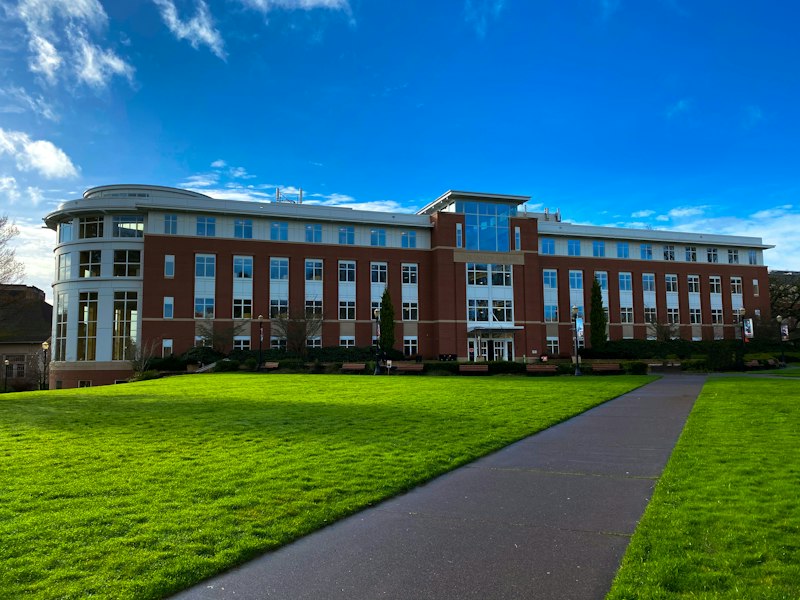
Université de Montréal (UdeM)
Quebec's flagship French-language research university and one of the largest Francophone universities in the world. Renowned for medicine (its affiliated hospital network is one of the largest in Canada), law, arts and sciences, and artificial intelligence (the Montreal Institute for Learning Algorithms, Mila, is headquartered here — the global epicentre of deep learning research).
McGill University
Canada's most internationally recognized university and consistently ranked in the world's top 30. McGill is especially known for medicine, law, music (Schulich School of Music), engineering, and political science. The downtown campus on the slope of Mount Royal is one of the most iconic in North America. McGill has produced more Nobel Prize laureates than any other Canadian university.

Concordia University
An urban, English-language university known for fine arts (the Faculty of Fine Arts is one of the largest and most respected in North America), business (John Molson School of Business), film studies, engineering, and communications. Concordia's downtown and Loyola campuses reflect the creative energy of Montreal.
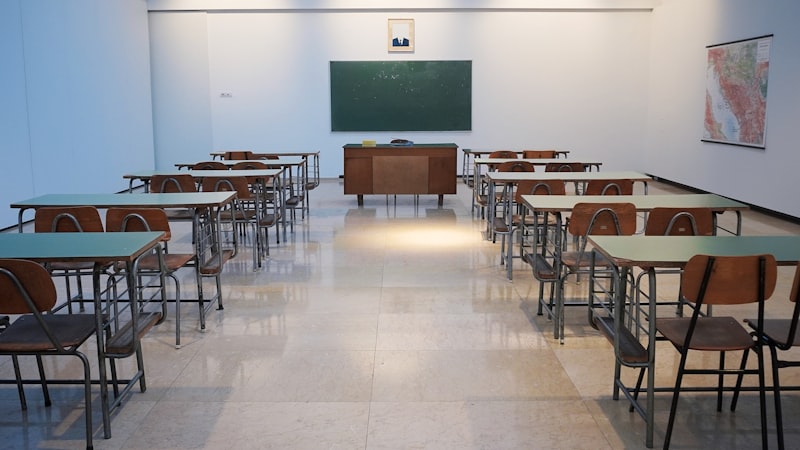
Université du Québec (UQ network)
A network of ten institutions across Quebec including UQAM (arts, social sciences, education), UQTR (Trois-Rivières, engineering), and others. UQAM's arts and social science programs are particularly well-regarded in francophone Canada. The UQ network was created to bring university education to regions beyond Montreal and Quebec City.
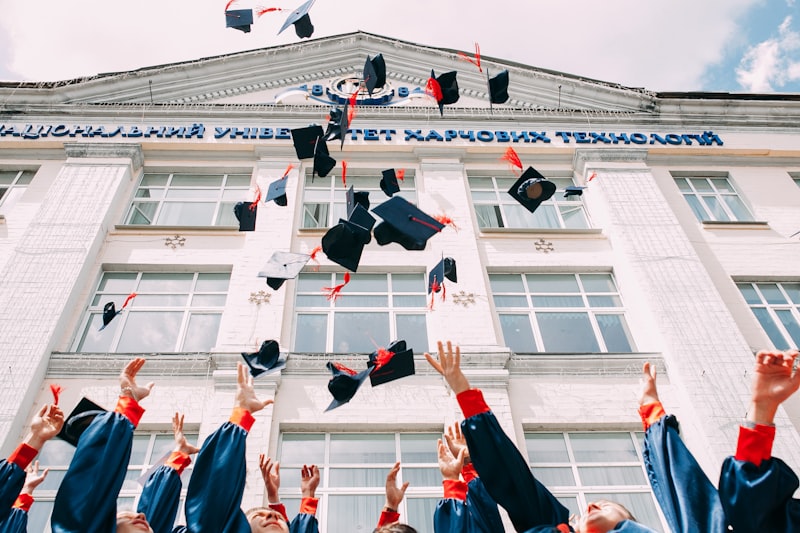
Université Laval
The oldest French-language university in North America and one of Canada's great research institutions. Laval is known for its law school (the oldest in North America), forestry, agriculture, architecture, and medicine. The sprawling Sainte-Foy campus is a city within a city.
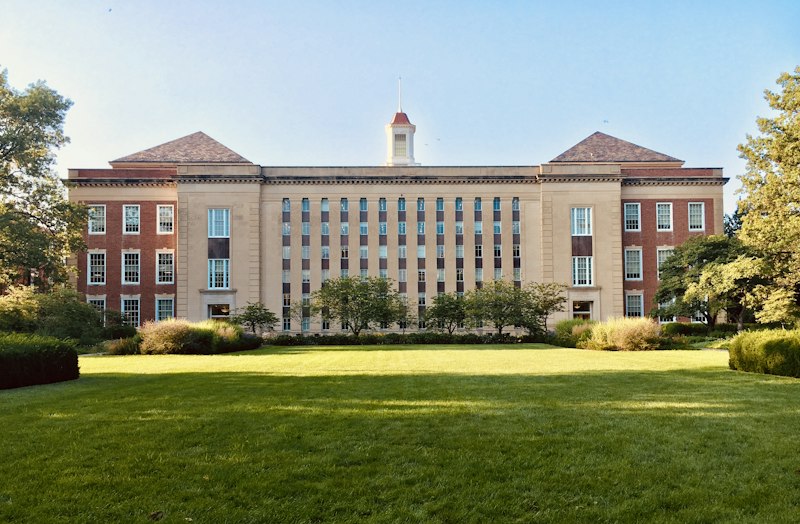
The CEGEP System
Quebec's distinctive Collèges d'enseignement général et professionnel (CEGEPs) are a one-of-a-kind layer in the Canadian education system: mandatory two-year colleges between high school and university. There are 48 public CEGEPs and 25 private colleges. Pre-university CEGEPs prepare students for university admission; technical CEGEPs lead directly to the workforce in fields from nursing to multimedia. This system makes post-secondary education both near-universal and affordable.
Sports Teams & Athletic Culture
Quebec's relationship with the Montreal Canadiens is one of the most emotionally intense in all of North American sport. The Habs are not just a hockey team — they are a cultural institution bound up with French-Canadian identity.
 HABS
HABS
Montreal Canadiens
Twenty-four Stanley Cup championships — more than any other franchise. The Bell Centre in downtown Montreal is the highest-capacity NHL arena and sells out nearly every night. When the Habs reach the playoffs, the street noise on rue Crescent is audible from blocks away.
 ALS
ALS
Montreal Alouettes
The Als play at Percival Molson Stadium on the McGill campus — a small, steep stadium that holds noise and energy beautifully. They have rebuilt from near-oblivion into a consistent contender and won the Grey Cup in 2023.
 CFM
CFM
CF Montréal
Formerly the Impact, CF Montréal regularly develops players for the Canadian national team. The club draws from the city's large Haitian, Portuguese and Maghrebi communities, giving it a genuinely multicultural fanbase.
 ROCKET
Laval Rocket
The Canadiens' primary development affiliate plays at Place Bell in Laval — a modern purpose-built arena that draws well. Watching the Rocket is the best way in Quebec to see future Canadiens developing in real time.
RMPRTS
Quebec Remparts
The Remparts play at the Videotron Centre in Quebec City — one of the most atmospheric junior hockey venues in the country. The franchise has produced Hall of Famers and is the cultural heartbeat of hockey in the provincial capital.
Culture, Arts & Identity
Quebec has a cultural identity more distinct from the rest of Canada than any other province. French is not just an official language here — it is the language of daily life, commerce, law, entertainment and politics. The Québécois have developed their own literature, cinema, music, comedy and television tradition that is largely invisible to English Canada and genuinely world-class within Francophone culture.
Language and the Quiet Revolution
The Quiet Revolution of the 1960s — the rapid secularization, economic modernization and cultural assertion of Francophone Quebec — transformed the province from a Church-dominated, rural society into a modern, urban, state-directed economy within a generation. Bill 101, passed in 1977, entrenched French as the sole language of work and public signage and remains the most consequential piece of provincial legislation in Canadian history. The language question has shaped every Quebec election since, and the broader Canadian constitutional debates about Quebec's place in Confederation have never been fully resolved.
Montreal: City of Festivals
Montreal hosts more major festivals than any other Canadian city. The Festival International de Jazz de Montréal, held every July, is one of the largest jazz festivals in the world by attendance, drawing over a million visitors to outdoor stages and club venues across the downtown core. The Just for Laughs comedy festival is the largest comedy festival in the world. The Osheaga music festival at Parc Jean-Drapeau is a serious international music event that books headliners who wouldn't have come to Canada a generation ago.
Film and Music
Quebec has a substantial domestic film industry supported by provincial tax credits and the province's distinct cultural identity — French-language films made in Quebec are genuinely different from Anglophone Canadian cinema or French cinema, reflecting a specific North American Francophone experience. Denis Villeneuve (Dune, Blade Runner 2049) learned his craft in Quebec. The Montreal music scene produced Arcade Fire, arguably the most critically acclaimed Canadian band of the 21st century, as well as Leonard Cohen, who was born in the Westmount neighbourhood.
Quebec City and Old World Heritage
Old Quebec is the only walled city north of Mexico, a UNESCO World Heritage Site with buildings dating to the 17th century. The Château Frontenac — technically a hotel, practically a castle — dominates the Upper Town from the cliff above the St. Lawrence. The Winter Carnival, held in January and February, is the largest winter carnival in the world, complete with an ice sculpture competition, canoe racing across the half-frozen St. Lawrence, and a parade with floats made entirely of ice.